The new Serie A's winter ball is here Are we witnessing the return of orange balls?

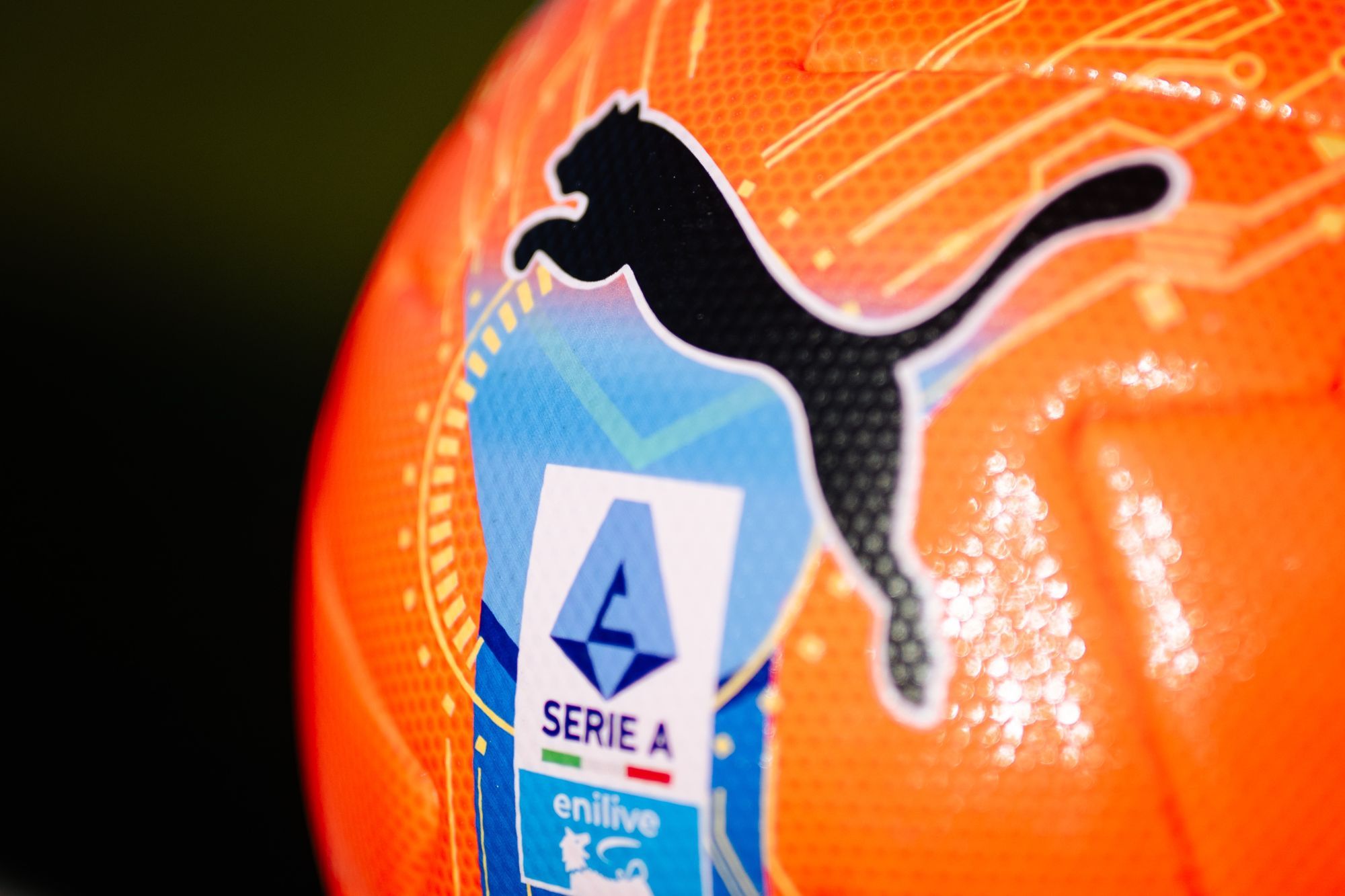
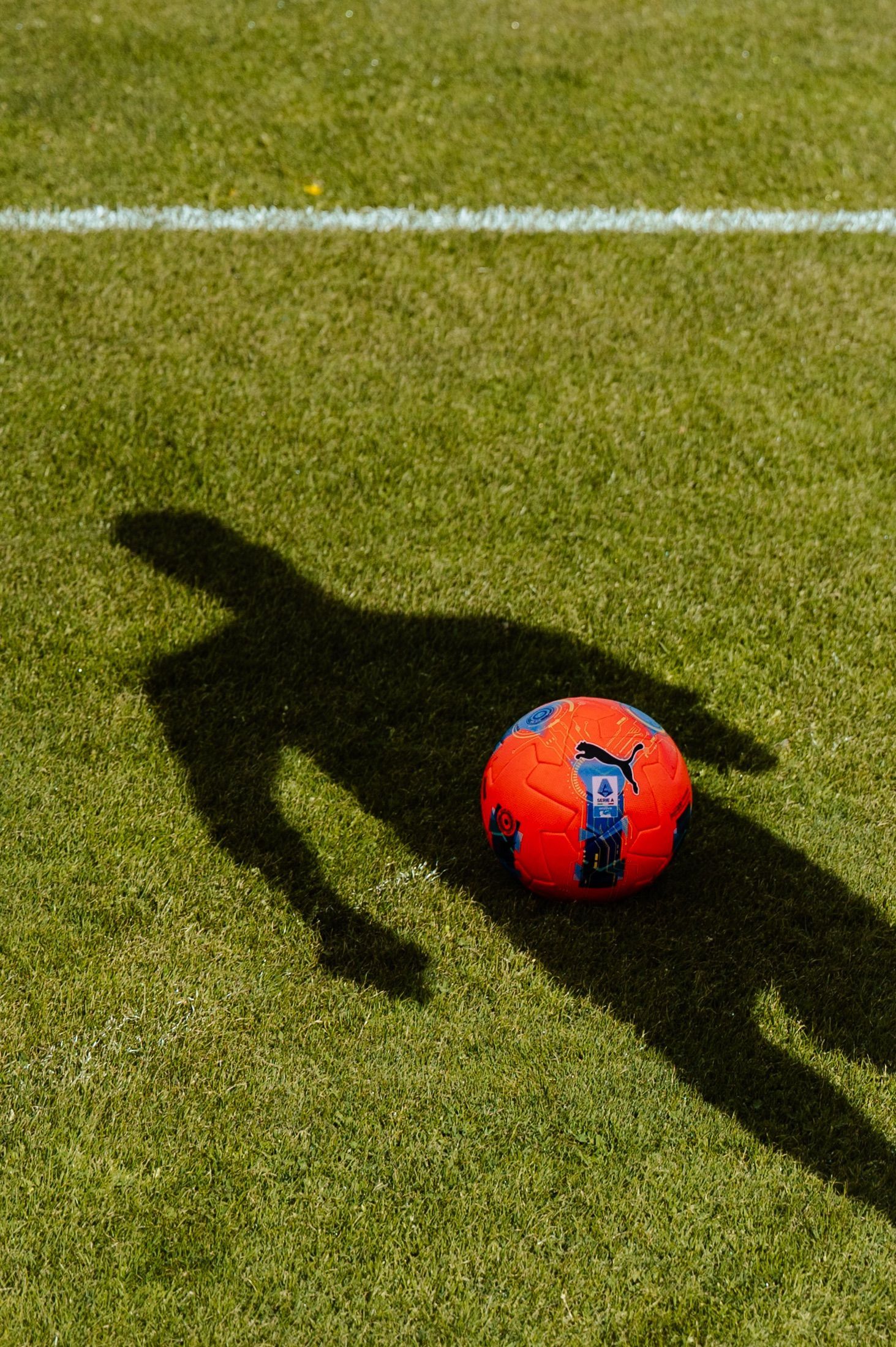
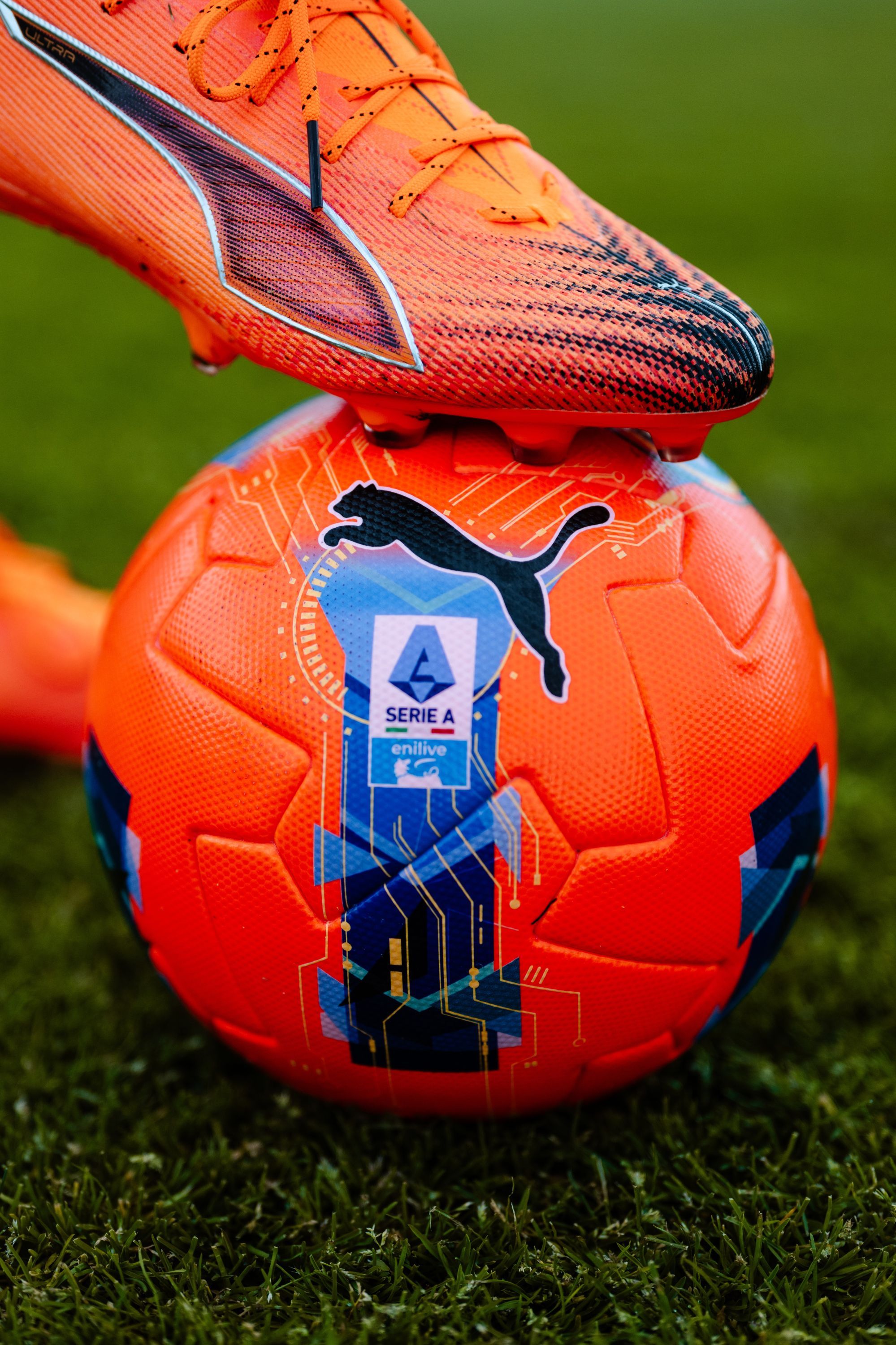
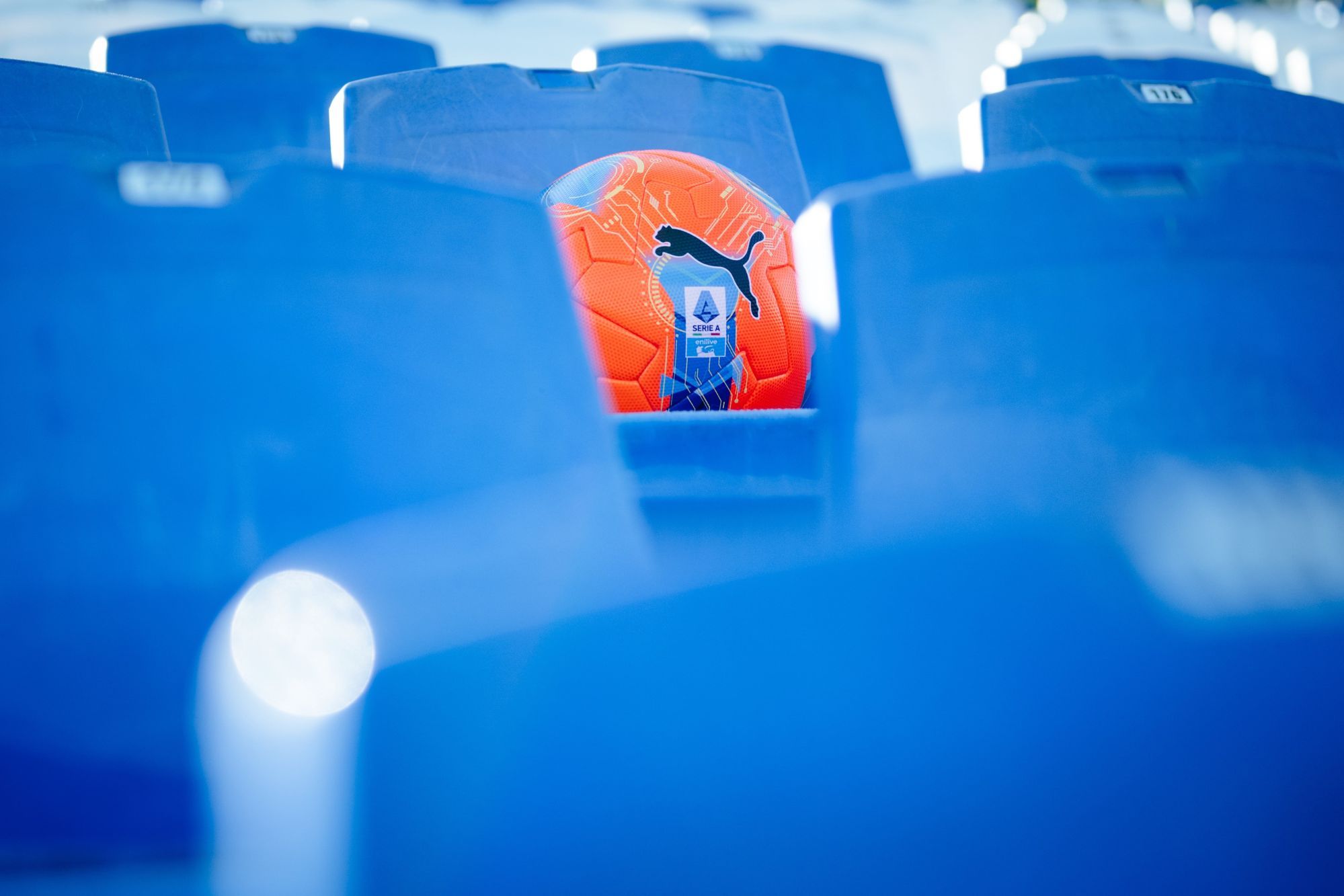
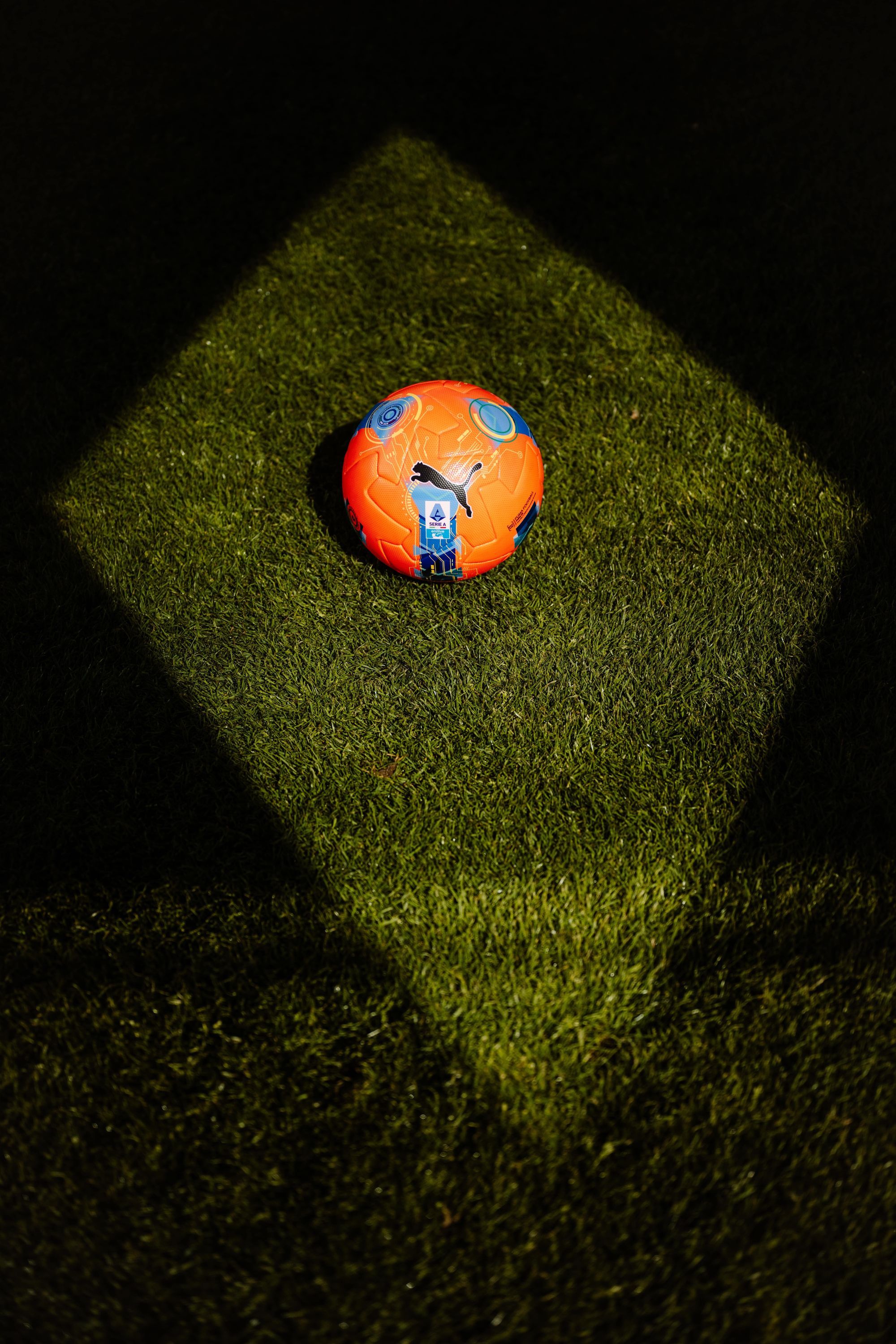
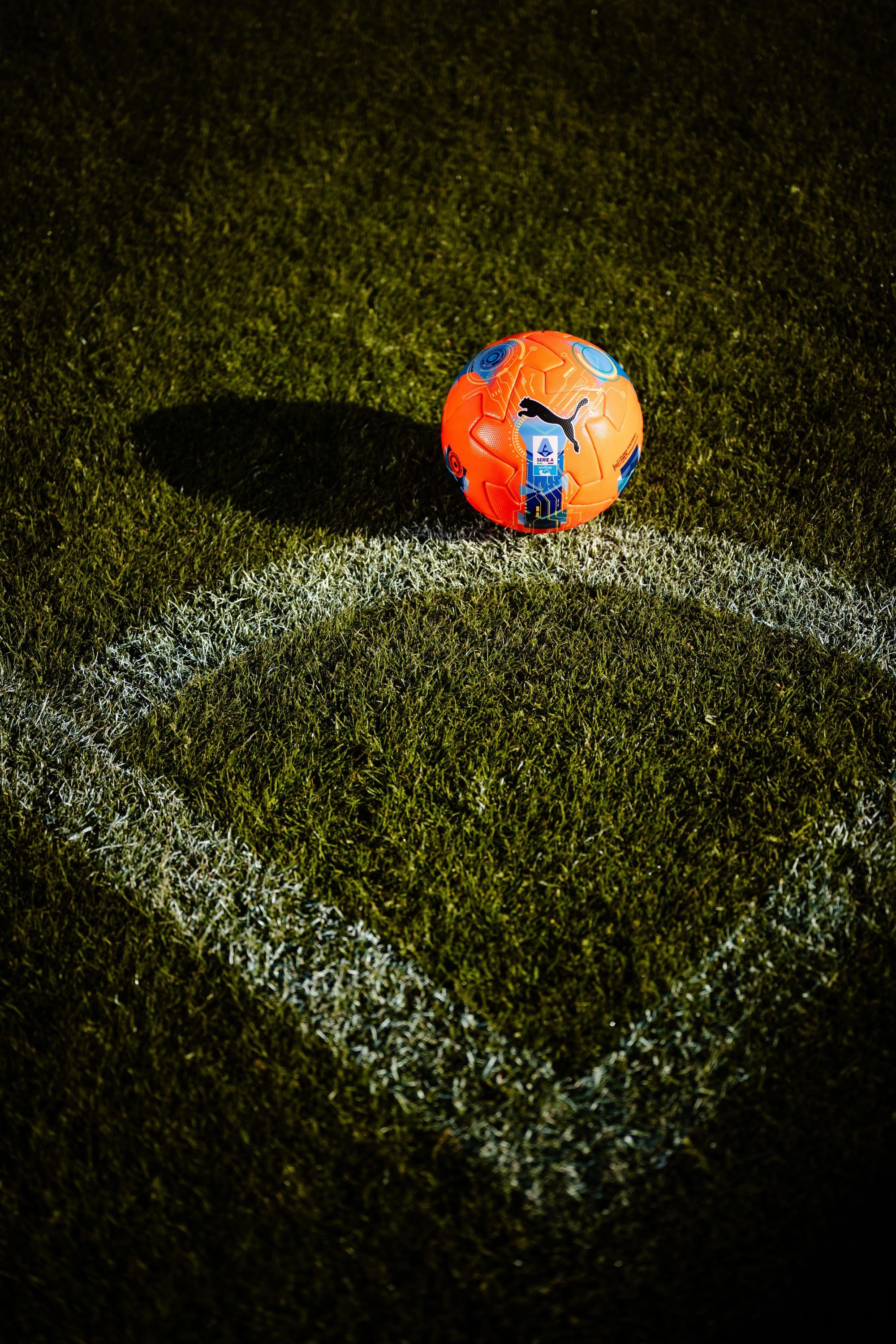
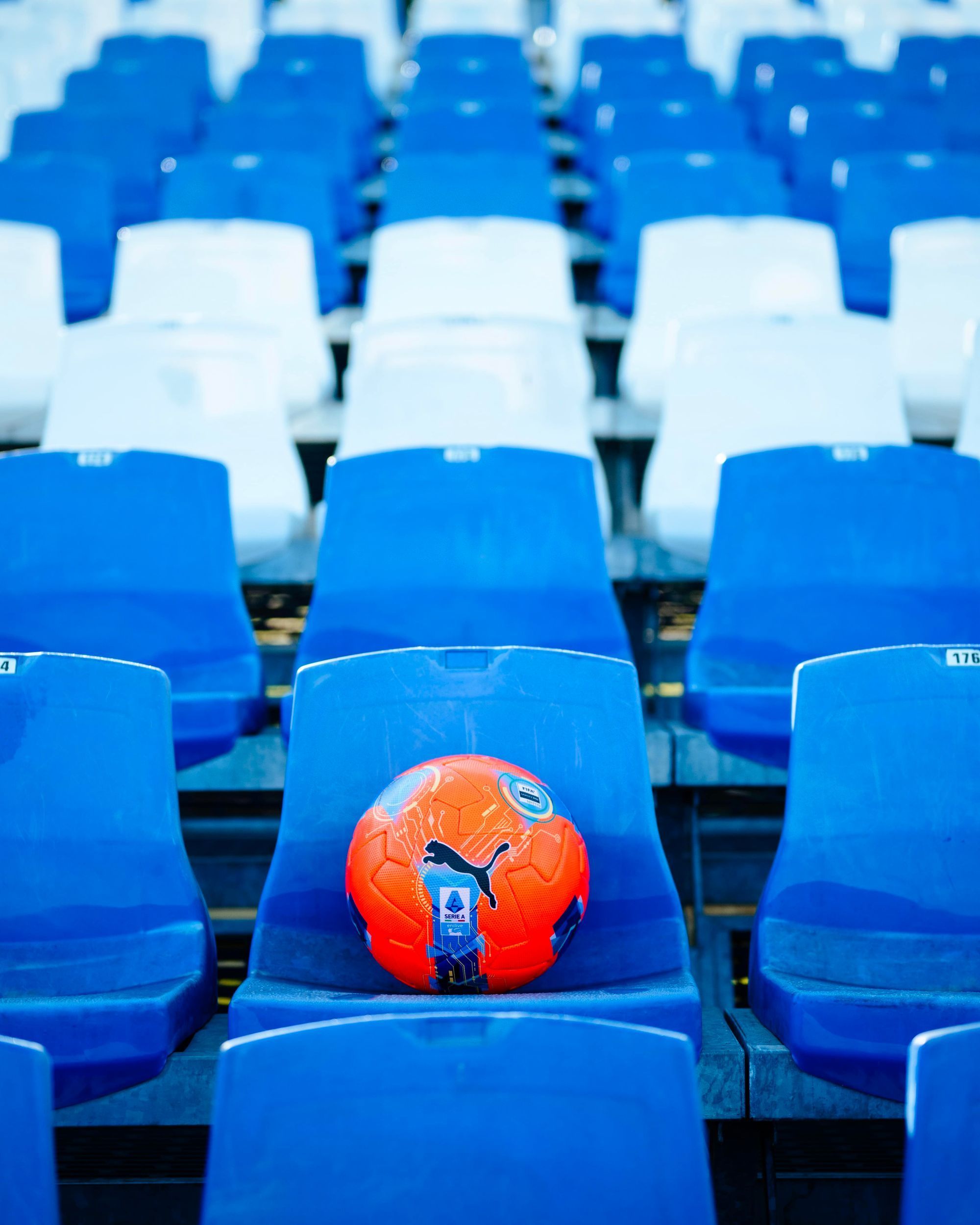
PUMA has presented the winter version of the Orbita Hi-Vis, the official match ball of Serie A for the 2025/26 season. The new ball is a tribute to the future of football, increasingly focused on connectivity, speed and smart innovation. The real breakthrough lies in the colour: for the first time in Serie A history, the high-visibility ball abandons the traditional yellow for a brand-new vibrant Fluo Orange base.
This bold choice was made to ensure maximum visibility in any weather condition, while also providing a strong and unmistakable visual impact on the pitch. The graphics, completely new, draw inspiration from the world of technology and feature details that evoke elements such as chips, circuits and digital innovation, creating a modern and cutting-edge design.
The history of orange balls
Since the major European leagues decided to standardize and therefore use two balls during the season, the winter version has always had yellow as its main colour, sometimes presented in a fluorescent variant. This colour choice has had the consequence of almost completely eliminating orange balls. After being the norm during the 1950s and 1960s, the most famous is undoubtedly the Slazenger Challenge 4-Star — the official ball of the 1966 World Cup played in England.
Tunnel is the new weekly newsletter from nss sports. Click here to subscribe.
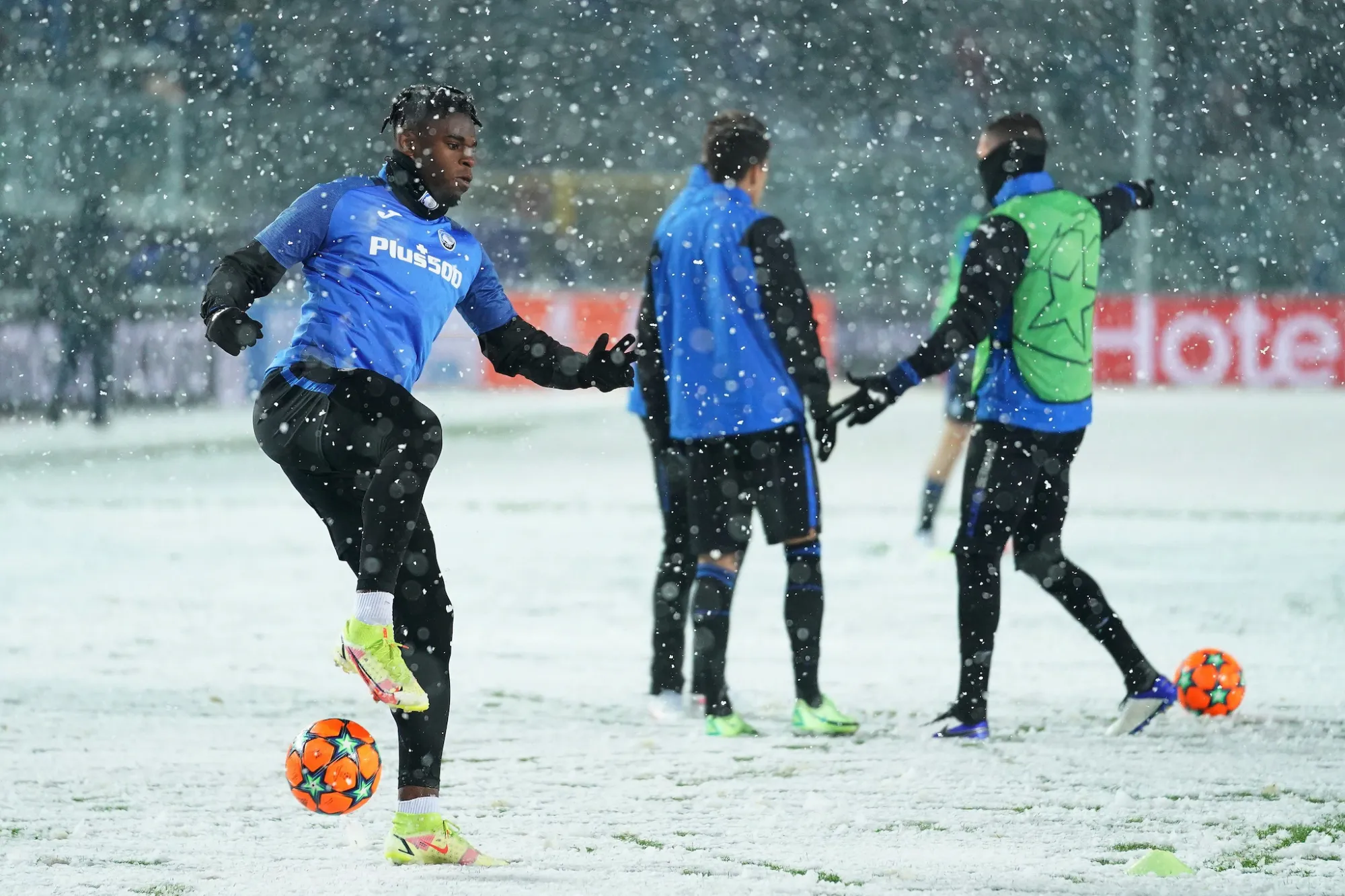
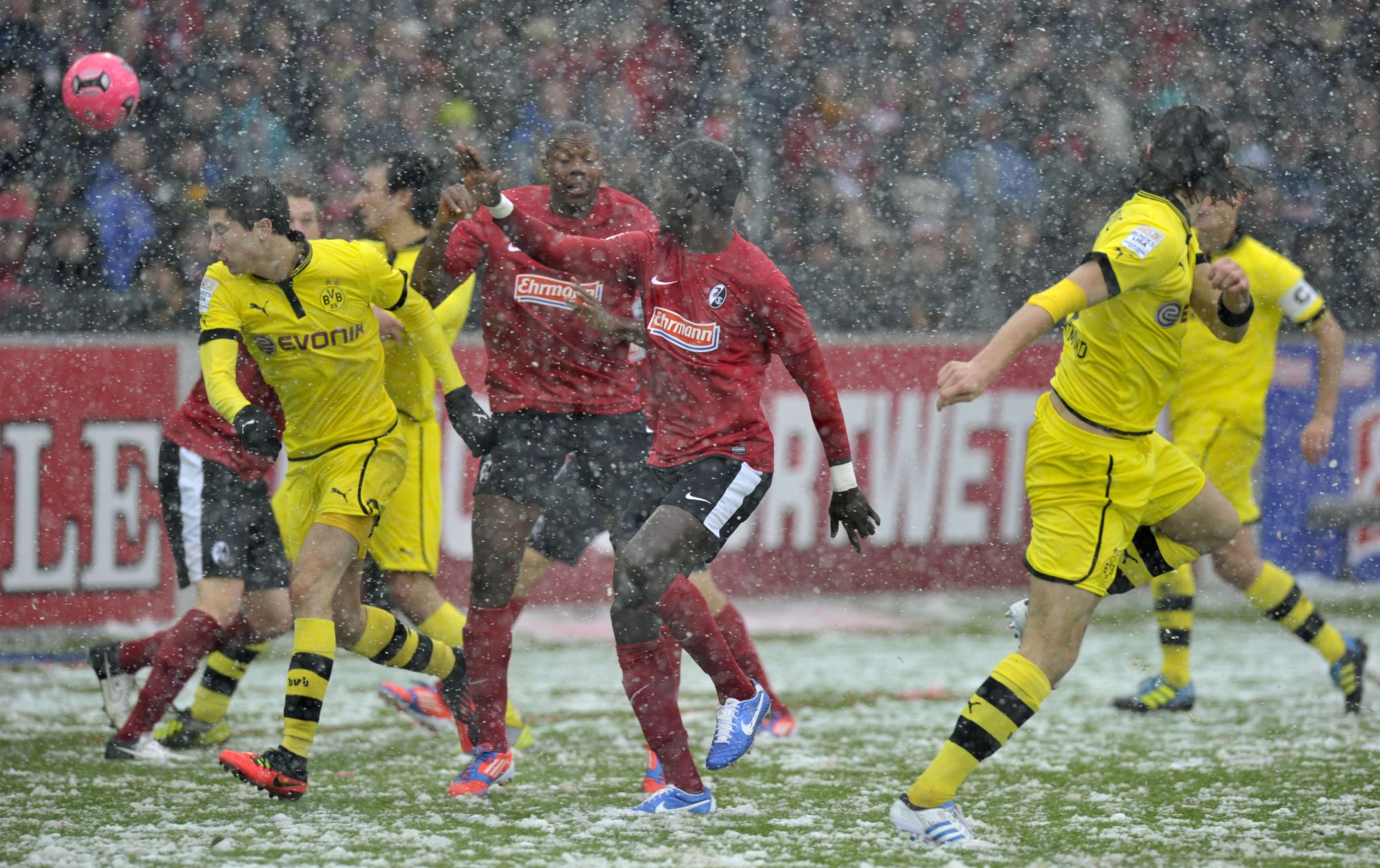
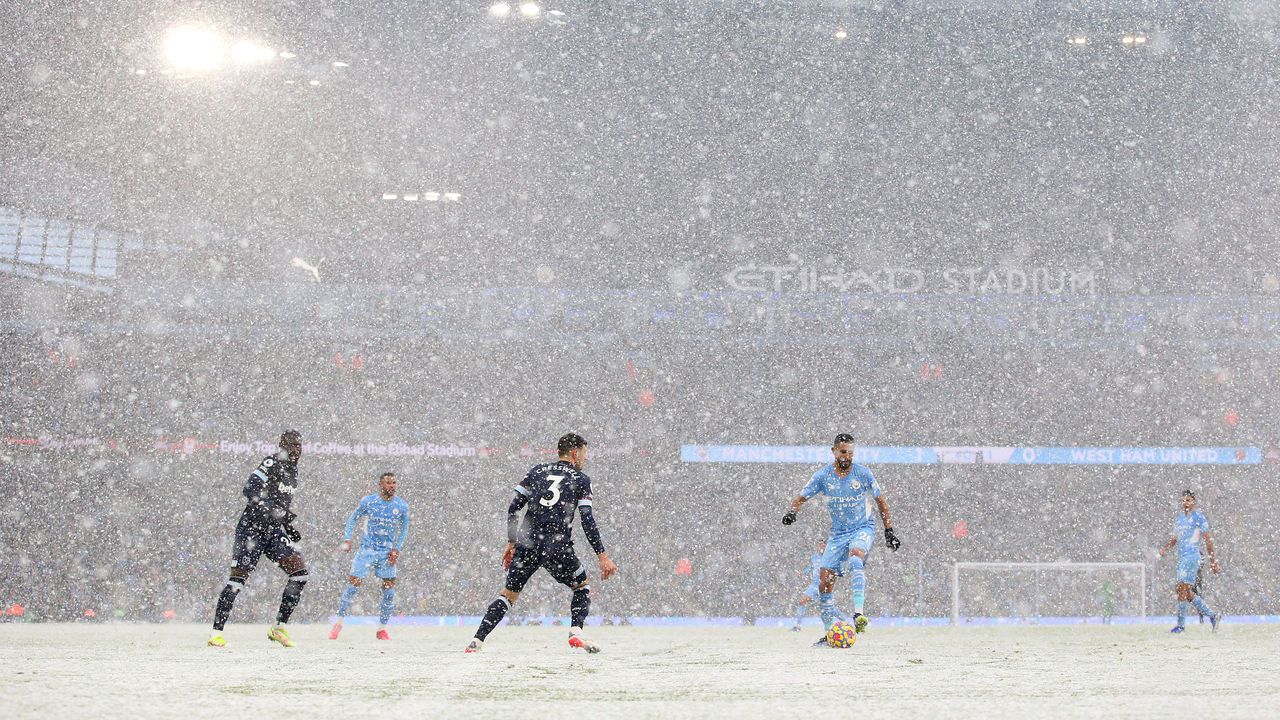
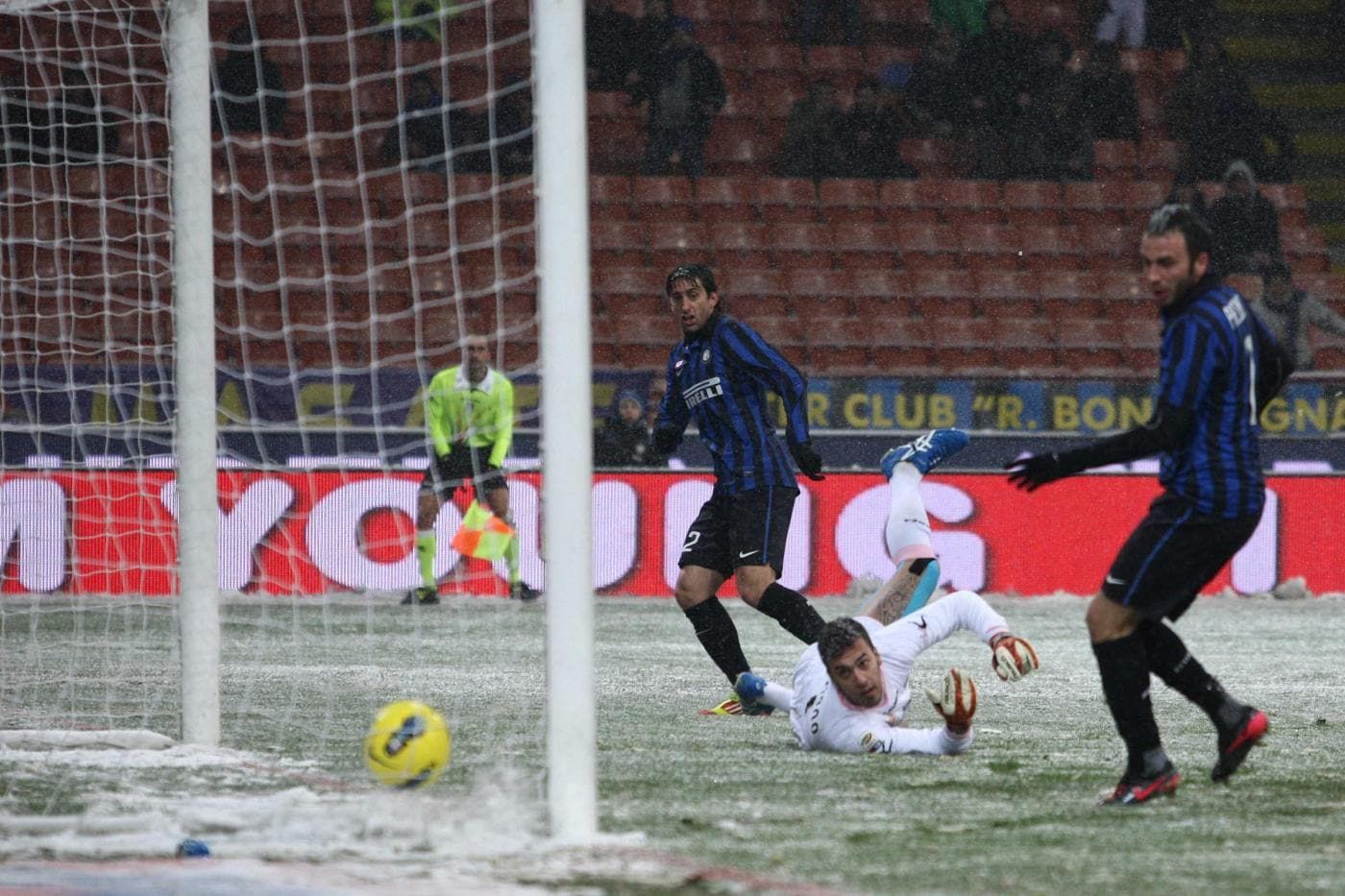
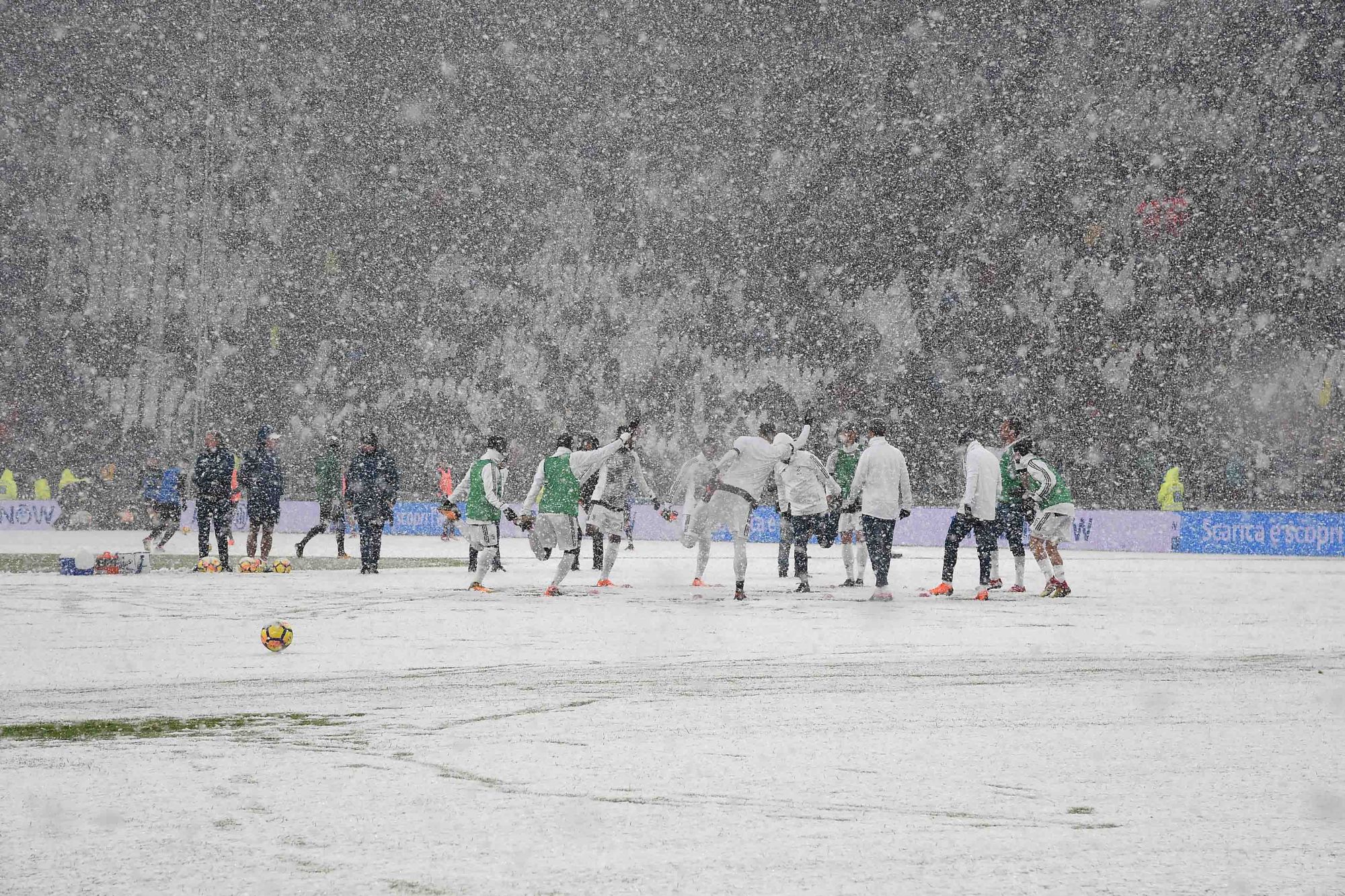
Orange balls (or red in the more extreme version) changed their use and until about ten years ago were used exclusively in the event of heavy snowfall, which forced the referee to abandon the traditional white ball in favour of a coloured ball that could be clearly visible to him, the players and viewers at home.
Examples from the past
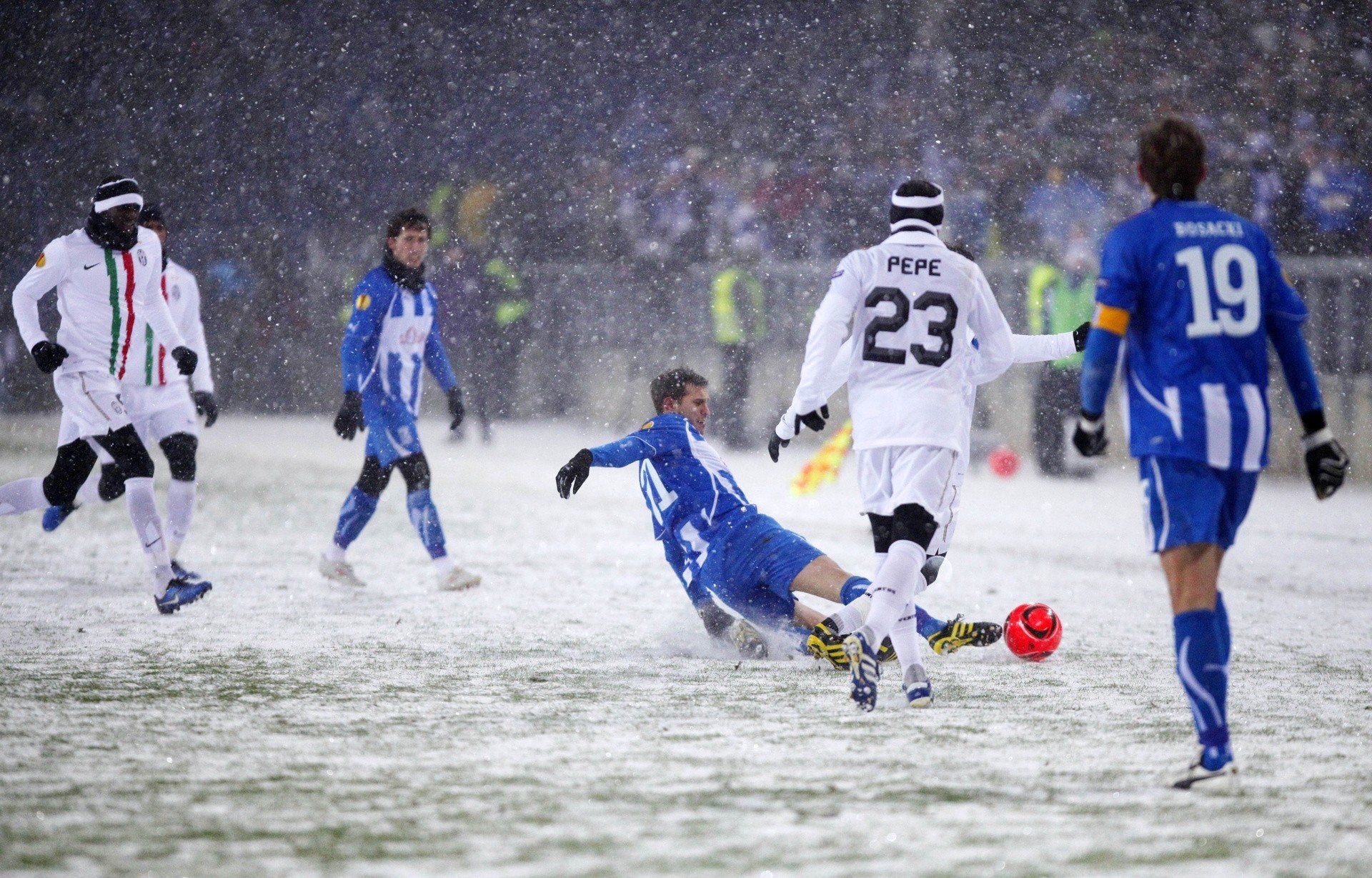
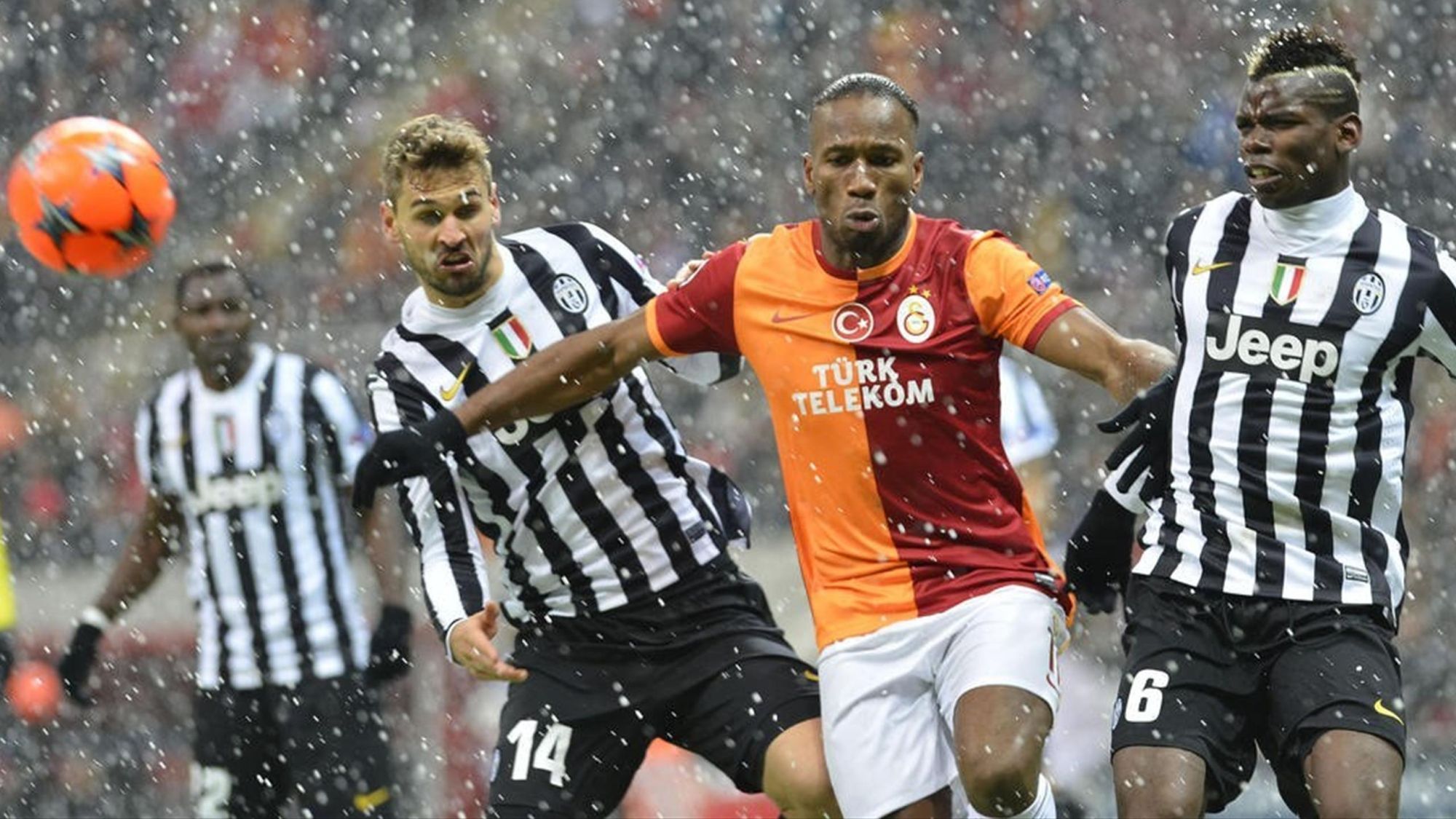
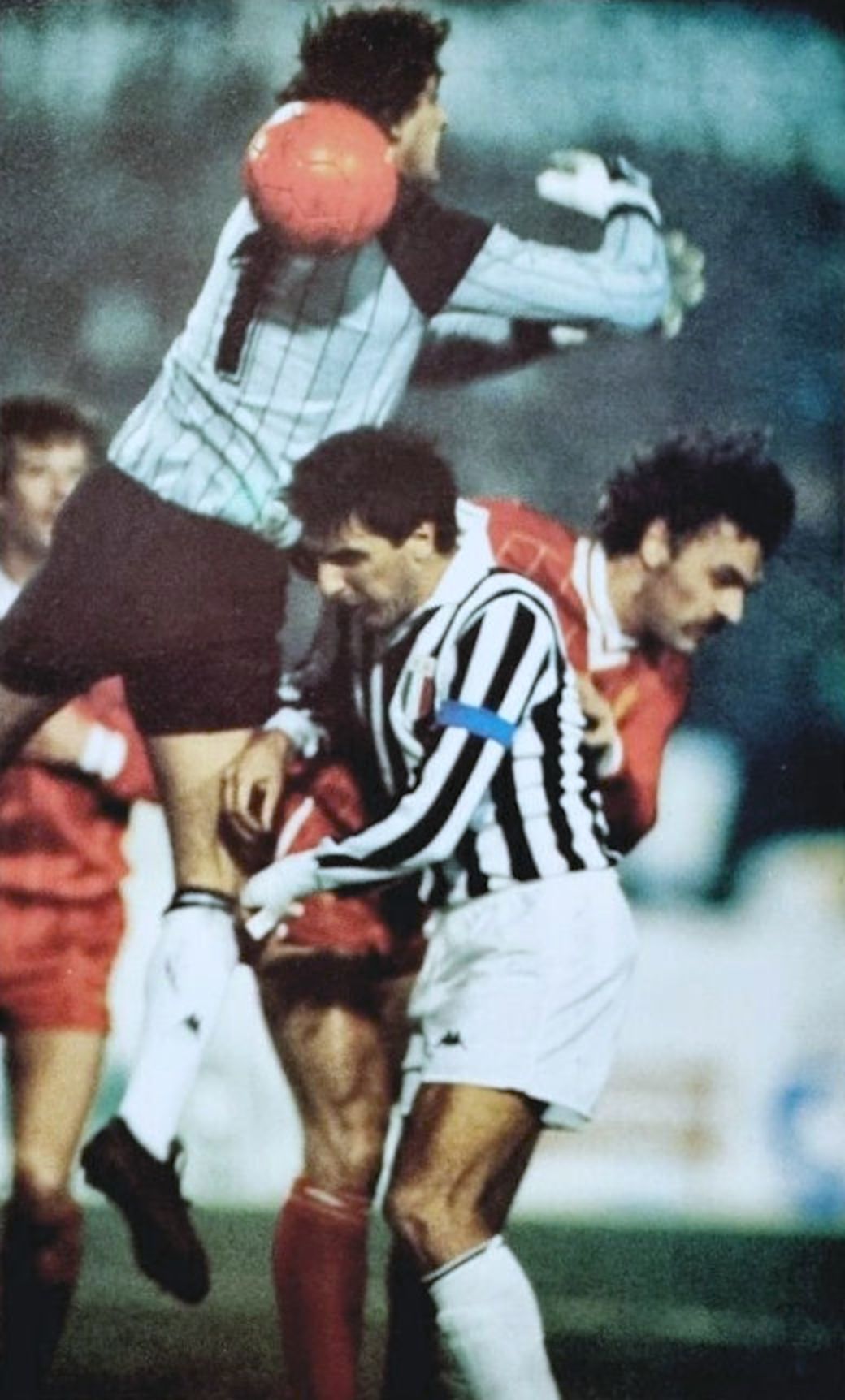
One of the earliest modern examples of a red ball being used concerns the 1984 European Super Cup final played between Liverpool and Juventus. The Bianconeri were also protagonists in two other iconic matches. Red was, in fact, the ball used in 2013 during a Champions League match against Galatasaray, a match postponed because of snow and replayed the following day on a pitch close to unplayable. In 2010, during a Europa League fixture at Lech Poznan, the referee took 45 minutes to order the ball change, which meant the first half was played with a white ball and the second half with a red ball
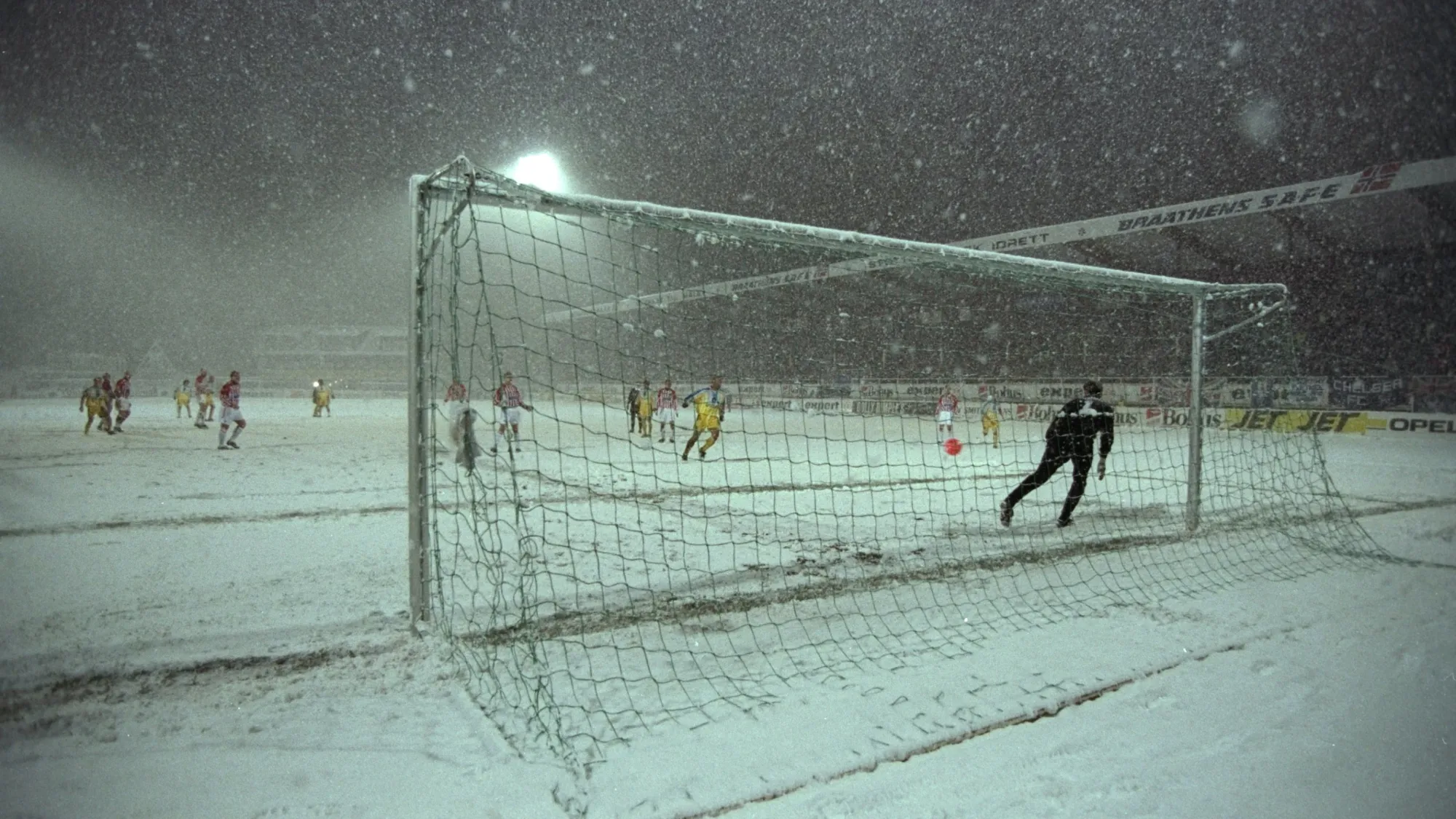
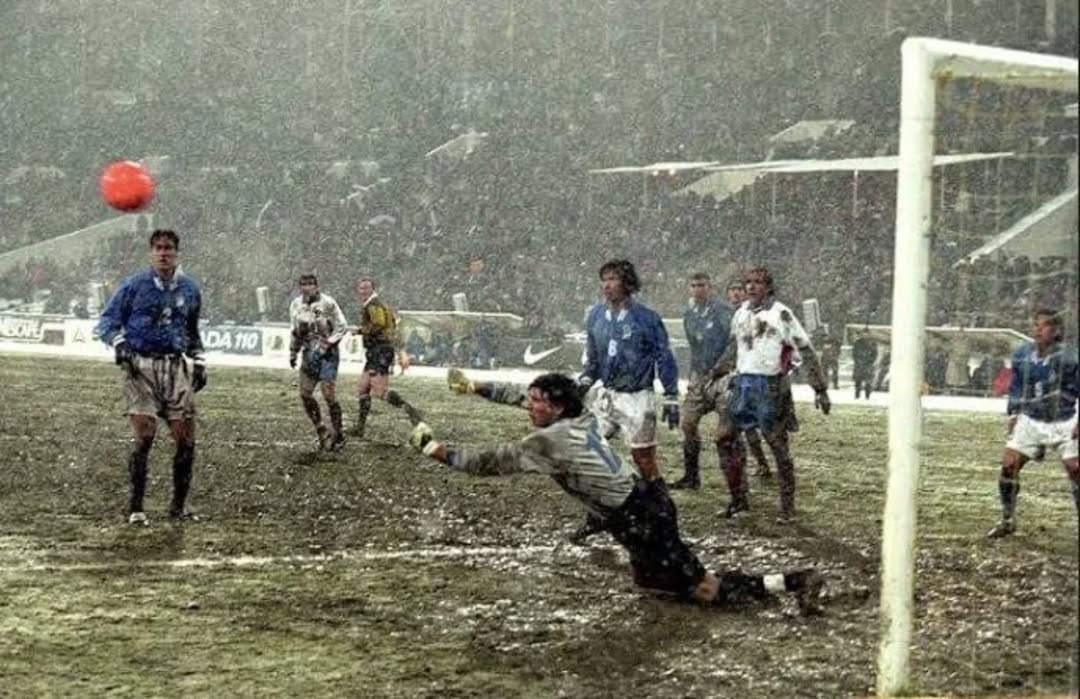
Another historic case involved the Italian national team when in 1997 they played Russia in the first leg of the World Cup qualifying playoff — in Moscow, on the day Gianluigi Buffon made his debut in the Azzurri, there was such heavy snowfall that the referee imposed the use of a red ball. A similar situation also affected Chelsea in 1997 during a legendary Cup Winners' Cup match at Tromsø.
Present and future
The introduction of winter yellow balls arose from television needs, and their use in any weather condition has made appearances of orange and red balls increasingly rare. In any case, they have not completely disappeared from view. In the Bundesliga, for example, there is no rotation between summer and winter balls, but in necessary situations an orange ball created at the start of the season is used.In recent seasons, adidas supplied UEFA with an orange ball for the Champions League, while Kipsta did the same for the Europa League and Conference League. However, the 2025/26 season marked a turning point with adidas introducing a fluorescent yellow winter ball for the Champions League, seen during Juventus' away match at Juventus away match against Bodø/Glimt.
In 2022 Nike introduced an orange version of the Hi-Vis and, like PUMA, in its first season as ball supplier to the Premier League, for the 2025/26 championship it created an orange version of the PUMA Orbita Ultimate PL which replaces the more classic yellow version in emergency situations. The trend here is clear and confirms the tradition of using orange balls in snowy conditions, but PUMA’s choice for Italy goes against the grain because for the first time in Serie A an orange ball will be used for the entire winter period whether there is snow, sun or rain.