Are Mexico and Canada really ready for the 2026 World Cup? How did the two co-host nations prepare for the 2026 FIFA World Cup?
It is only a matter of hours before the 2026 FIFA World Cup gets underway. A record-breaking edition even before kick-off, thanks to the unprecedented number of participating teams and, consequently, matches. A record-breaking edition in terms of geographical scale as well, with the tournament spread across the United States, Canada and Mexico, encompassing sixteen host cities: eleven in the US alone, followed by Vancouver and Toronto in the Great White North, and finally Guadalajara, Monterrey and Mexico City. A record-breaking edition that, for precisely this reason, is also burdened with unprecedented infrastructure costs, geopolitical tensions and logistical challenges.
The first contradiction is already evident in the United States, where travel bans remain in place for as many as 48 countries, including four World Cup participants — a total ban for Haiti and Iran, and partial restrictions for Senegal and Ivory Coast, where the issuance of standard tourist visas has nevertheless been almost entirely suspended. For 11 of those 48 countries, most of them in Africa and the Middle East, visa refusal rates currently exceed 40%. Hardly the image one would expect from the most inclusive World Cup in history — and this is merely the tip of the iceberg, without even considering the issues facing the co-hosts, Canada and Mexico.
Managing the costs in Canada
Hosting an event like the World Cup always comes at a price. Canada, which will stage seven matches in Vancouver and six in Toronto, has spent just under CAD 1.1 billion, according to estimates from the Parliamentary Budget Office (PBO). That translates to roughly USD 59.6 million in public funding per match—an enormous figure, yet still broadly in line with previous editions. The PBO's analysis estimated costs of USD 90.9 million per game in Brazil in 2014, while Russia's 2018 tournament still came in at around USD 80 million per match. The real issue lies in how dramatically those figures have escalated from the original budget.
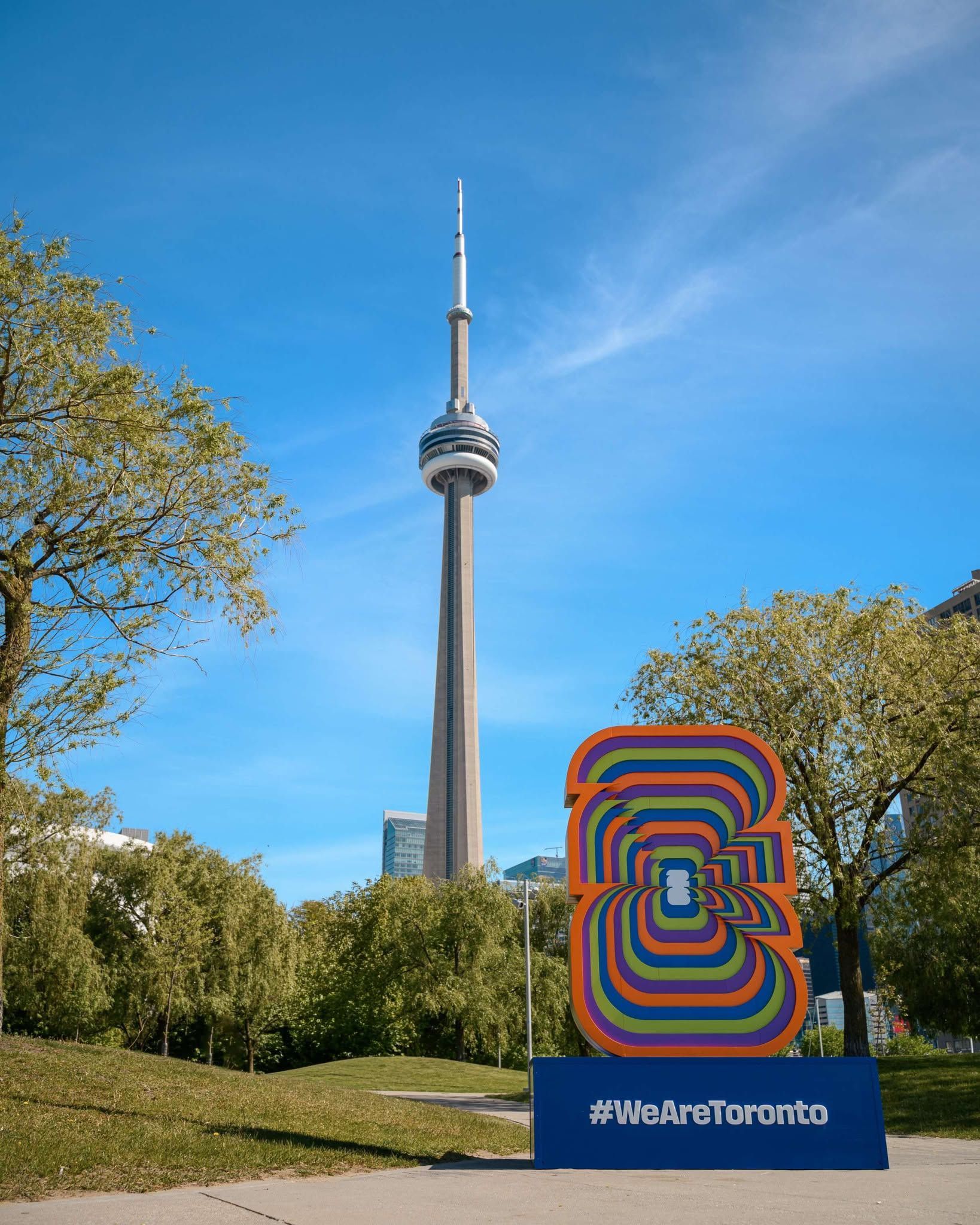
When Toronto was first selected as a host city in 2018, projected costs ranged between CAD 30 million and 45 million. By 2022, following FIFA's updated hosting requirements, the estimate had climbed to CAD 300 million. After the city was awarded a sixth match, the final figure rose to CAD 380 million. Vancouver has seen its own costs triple, surpassing CAD 700 million. To cope with expenditures largely devoted to security and infrastructure, Canadian cities have been forced to devise a series of unconventional strategies.
To avoid increasing property taxes, both cities decided to take advantage of FIFA's option to purchase 1.5% of locally allocated tickets and resell them as part of exclusive hospitality packages in order to generate additional revenue. The primary buyers are major corporations, with resale methods ranging from direct sales to lottery systems. Initially, only Toronto appeared willing to adopt the strategy, purchasing 3,500 tickets that were almost entirely resold, but Vancouver later confirmed that the investment had already been incorporated into its cost-management plans the previous year. Numerous Canadian media outlets accused local governments of effectively engaging in ticket scalping, prompting officials to argue that the measure was necessary to absorb rising costs without placing an excessive burden on taxpayers.
For precisely this reason, short-term visitors have become the main target of the Canadian government's most significant fiscal reform. Since 2023, both Vancouver and Toronto have increased their hotel accommodation tax by 2.5 percentage points, raising it from 6% to 8.5%. In British Columbia alone, government estimates suggest the measure will generate more than CAD 250 million in total revenue by 2030, including the CAD 106 million already projected between 2023 and 2026.
The Space Problem
Although Canada has traditionally enjoyed its greatest sporting success in winter disciplines, football is a sport the government has invested in for decades, to the point of becoming the country's most widely played. In Ontario alone, for example, there are 309,000 registered players, compared to 206,000 in ice hockey. The main challenge, however, is infrastructure—and in that respect, the World Cup offers little relief.
BMO Field, temporarily renamed Toronto Stadium, has undergone extensive upgrades to meet FIFA standards, including the addition of 17,000 seats to bring capacity up to 45,000, the installation of a new regulation-compliant natural grass pitch and the construction of dedicated facilities for tournament staff and officials. The cost of these renovations is approaching CAD 160 million.
As a consequence of these expenses, only four of the twelve mini-pitches that the City of Toronto had pledged to deliver to the local community before the start of the World Cup have actually been built. It may seem like a minor issue, but Ontario has struggled for years to finance indoor football facilities capable of withstanding the country's harsh winters, which make the sport virtually impossible to play outdoors for much of the year—especially given the near-total lack of suitable outdoor infrastructure in the first place. BMO Field itself is shared by Toronto FC and the Argonauts, while the city's other major venue, York Lions Stadium, is home to three different teams.
FIFA's Dynamic Pricing
Last April, FIFA President Gianni Infantino announced preliminary demand for more than 500 million tickets—ten times higher than for previous World Cups. Yet, as things stand, none of the matches scheduled in Canada have sold out, while tourism figures in the two host cities remain broadly in line with the usual summer market, with hotel occupancy hovering around 80%.
Until last month, the lowest resale price for a ticket to Canada's opening match against Bosnia and Herzegovina on FIFA's official channels exceeded $1,300, while this week the cheapest available ticket dropped to $534. Back in December, when the group-stage draw was announced, top-category tickets had surged to around $3,000. Astronomical figures that come on top of travel expenses, highlighting just how problematic FIFA's dynamic pricing model has become, making the tournament even more exclusive despite its unprecedented geographical scale.
Vancouver's Beautification Drive
FIFA has developed an action plan aimed at making the 2026 World Cup the first sporting event to be staged in full compliance with human rights standards—a particularly sensitive issue for Vancouver, where the 2010 Winter Olympic Games were met with widespread protests over attempts to conceal the city's homeless population for image purposes and to replace affordable housing projects with initiatives that accelerated gentrification around key event areas.
The city of British Columbia has prepared by implementing awareness programmes for security personnel while simultaneously creating indoor reception spaces for unhoused residents, where World Cup matches will also be broadcast. While these efforts are likely to provide tangible benefits for vulnerable communities, they also fit within the broader framework of FIFA's sportswashing practices, which contractually require host cities to establish a beautification zone extending two kilometres from each stadium.
In Vancouver's case, that means the area surrounding BC Place, which is expected to welcome roughly 350,000 visitors during the tournament. The stadium sits in the heart of the Downtown Eastside, where nearly two-thirds of residents live below the poverty line. Beyond requiring enhanced security measures to protect visitors, this also means that the clearing of public spaces will be unavoidable, along with the removal of graffiti, tent encampments and waste as part of FIFA's mandated beautification programme.
These requirements help explain Vancouver's investment of more than CAD 240 million in security, as well as the presence of police forces brought in from other countries. Chief among them is Immigration and Customs Enforcement (ICE), whose deployment on Canadian soil remains a matter that the US federal government will need to clarify and justify, particularly given that its agents will not be permitted to carry firearms or undertake any operational activity.
Numerous local protests have emerged in response, particularly over the human rights concerns associated with ICE and broader criticism of the relationship between Donald Trump and Infantino. The demonstrations have drawn inspiration from more organised campaigns such as the US-based No ICE in the Cup movement, a cultural initiative that has spread across ten of the tournament's eleven American host cities.
Security Concerns in Mexico
Security is also a key concern in Mexico, starting with the capital, where the so-called Kukulkan Plan has been put into action: a deployment of 100,000 law enforcement officers tasked with ensuring the safety of the massive influx of visitors expected in an area that is already one of the country's main tourist destinations. The World Cup alone is projected to bring more than five million visitors to Mexico.
The government's decision stems from a number of factors. The most immediate is the presence of thousands of protesting teachers in Mexico City's main square, commonly known as the Zócalo, demanding wage increases to offset soaring inflation. In recent weeks, police have thwarted an attempt to occupy the Ministry of Education, while demonstrators responded by toppling and burning the statues installed along Paseo de la Reforma—art installations depicting some of the biggest stars of the World Cup and created specifically for the tournament.
The greater concern, however, stems from cartel retaliation following the death of Nemesio Oseguera Cervantes, better known as El Mencho, earlier this February. The leader of the Jalisco New Generation Cartel was captured by Mexican special forces after a gun battle that left his six bodyguards dead and caused numerous casualties on both sides, including the fatal injuries that led to Cervantes' death while he was being transported to Mexico City.
Cartel members have launched coordinated attacks across twenty of Mexico's thirty-two states, blocking roads and highways by puncturing tyres or setting vehicles ablaze, while also targeting banks and public businesses such as pharmacies, effectively forcing residents to remain inside their homes. In Guadalajara, one of the tournament's host cities, alarm spread when a group of people sought refuge inside the airport after hearing gunfire coming from nearby streets. Although police found no evidence of shootings in the area, the sounds originated from the nearby highway, where a burning vehicle had blocked traffic. Since February, the death toll involving government forces and cartel members has surpassed fifty-five.
These internal tensions have been compounded by another attack linked to Mexico City and its tourism industry: the shooting at the Teotihuacán pyramid complex, where a Canadian visitor was killed in April by an armed man who also wounded thirteen other people before taking his own life. The incident was unrelated to the cartel and bore no connection to the World Cup itself, yet it occurred at one of the capital's most visited landmarks, which in the coming weeks will welcome thousands—if not millions—of tourists.
Iran's Complicated Relocation to Tijuana
Mexico has also found itself at the centre of another international issue: Iran's participation in the World Cup. Although the national team is scheduled to play in Los Angeles and Seattle, it is unable to stay in the United States. As a result, its operational base was moved from Tucson, Arizona, to Tijuana—one of Mexico's host cities—as recently as May, requiring the deployment of significant National Guard resources and an extensive logistical effort.
The Iranian national team spent three weeks holding its training camp in Turkey while awaiting visa approvals, which were repeatedly delayed by both the Mexican and US governments because of investigations into alleged links between members of the coaching staff and players and the Islamic Revolutionary Guard Corps (IRGC). Fourteen officials, including Iranian Football Federation Secretary General Hedayat Mombeini and Vice President Mehdi Mohammad Nabi, were ultimately denied clearance.
The deadlock eventually culminated in FIFA revoking the allocation of tickets reserved for Iranian supporters, despite each participating nation ordinarily being entitled to distribute tickets equivalent to 8% of stadium capacity to its own fans. The decision further strained relations between FIFA and the Iranian federation, already complicated by visa-related logistical issues and, in practical terms, by the fact that players will have less than a week before their opening match to adjust to a twelve-hour time difference after having been inactive since February due to the enforced suspension caused by the war.
The Internal Rift Within the Mexican Football Federation
If this World Cup already promises to be politically turbulent for Mexico, the national team has hardly been spared. In fact, the Mexican Football Federation found itself deeply divided as recently as May—just one month before the tournament—because of increasingly complex scheduling conflicts with domestic clubs.
Mexico head coach Javier Aguirre was forced to issue an ultimatum to his players, warning that anyone who failed to report to the training camp on 6 May—where twenty players were expected to attend, with twelve eventually being selected—would be excluded from the World Cup squad. Those called up included players from Toluca, who were preparing for the second leg of the Concacaf Champions Cup semi-finals against Los Angeles FC, as well as members of Chivas de Guadalajara, who had qualified for the Liga MX playoff quarter-finals.
Because of scheduling constraints and the continental nature of the competition, only Toluca's players would have been allowed to play their match before joining the national team camp, prompting an angry response from Chivas and several other Liga MX clubs. The dispute was ultimately resolved when Aguirre's strategic ultimatum led to the withdrawal of the exemption request, preserving the original agreement.
The agreement between the clubs and the Federation stipulated that players would be fully available for World Cup duty from 26 April, when the Liga MX regular season concluded, despite FIFA regulations allowing clubs to retain players until 25 May—or until 30 May in the case of continental competitions. Although the issue was eventually resolved, it became yet another addition to the long list of complications that have engulfed Mexico in the final weeks leading up to the opening kick-off of the World Cup.
What to read next

Erling Haaland gained almost 30 million Instagram followers during the 2026 World Cup
It's all about goals, viking row and memes
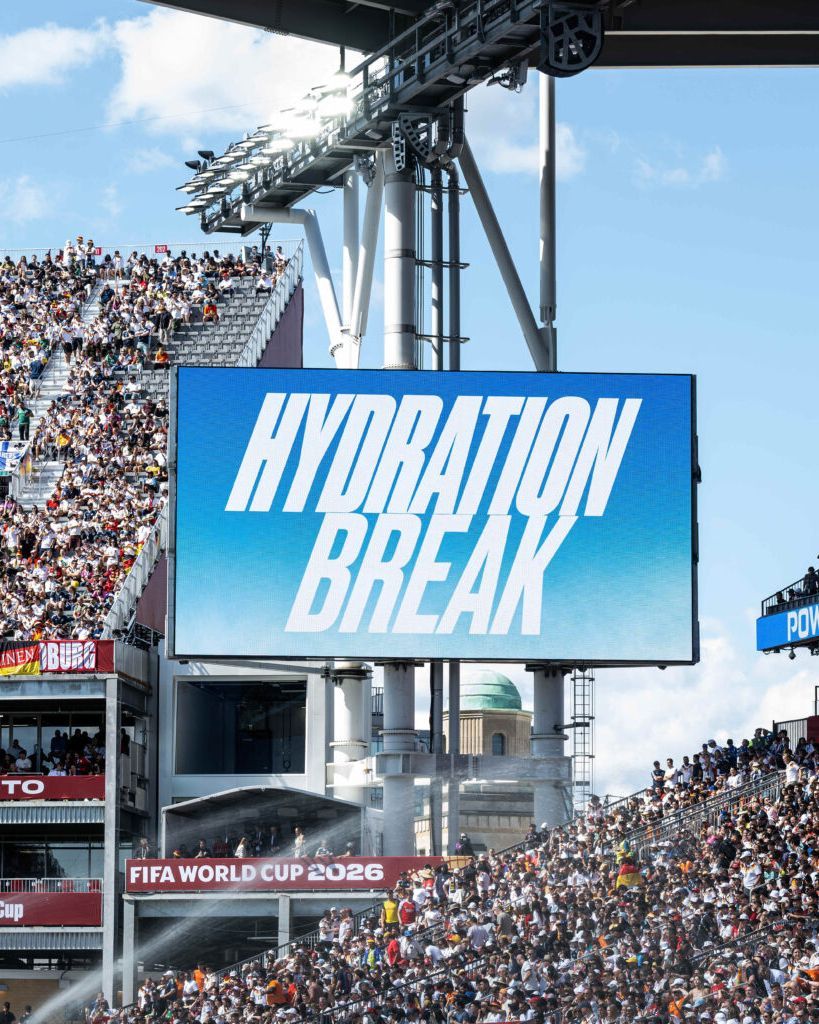
The ultimate 2026 World Cup Glossary
In ten years' time, we'll still be talking about the hydration break and the Viking row