
The legend of Jamaica's bobsleigh aesthetic From Calgary to Milano Cortina 2026
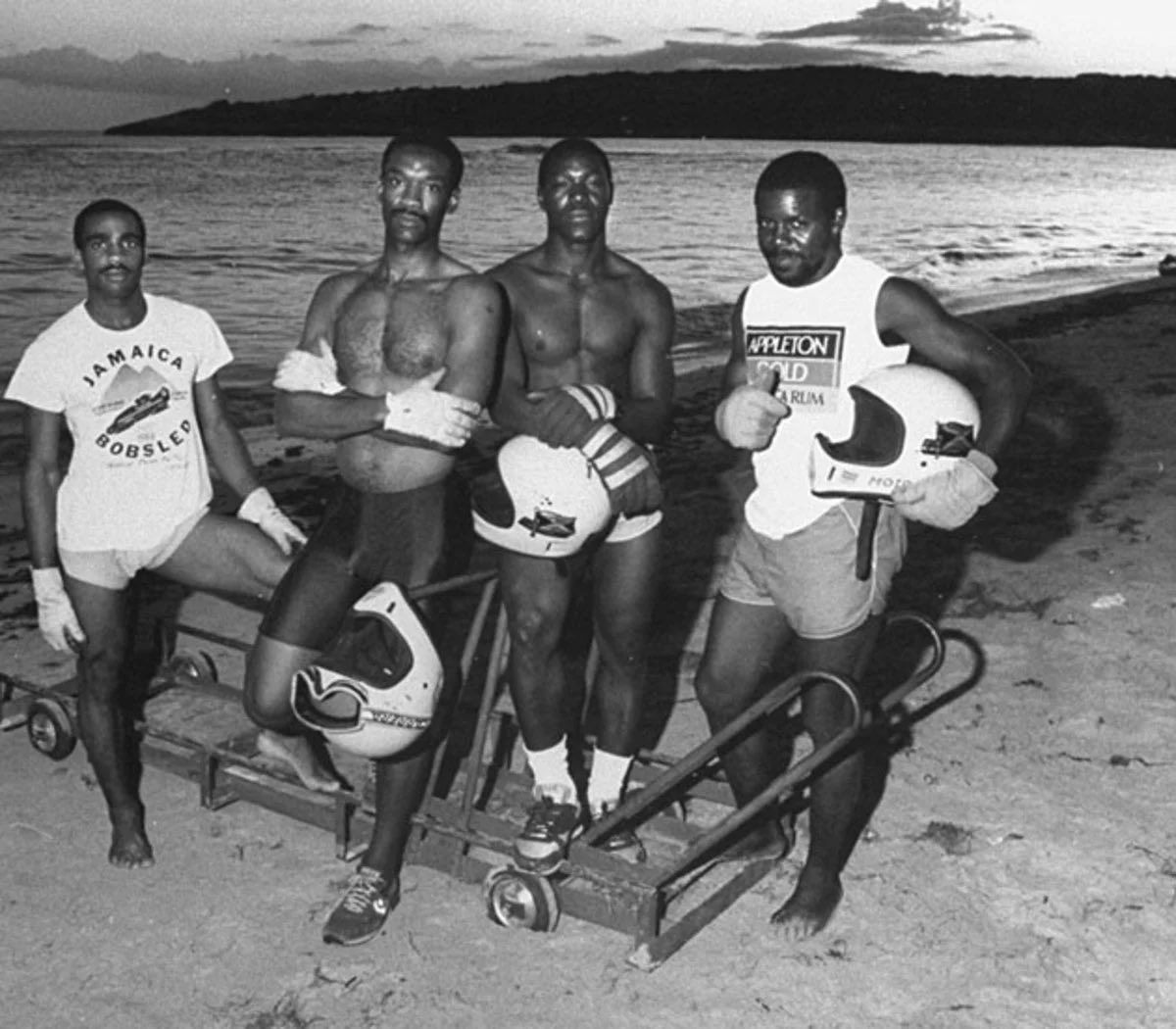
The Jamaican bobsleigh team is set to return at Milano Cortina for the 2026 edition of the Winter Olympic Games. Since their debut at the 1988 Calgary Games, the Caribbean squad has competed in eight of the ten editions held to date, forming one of the most unique pairings in sports history. Jamaica is globally associated with its dominance in athletics — to this day, Usain Bolt remains the fastest man alive, having set the 100m world record in 2009 with a time of 9.58 seconds. But beyond track and field, no sport has shaped Jamaica’s international identity quite like bobsleigh.
The origins
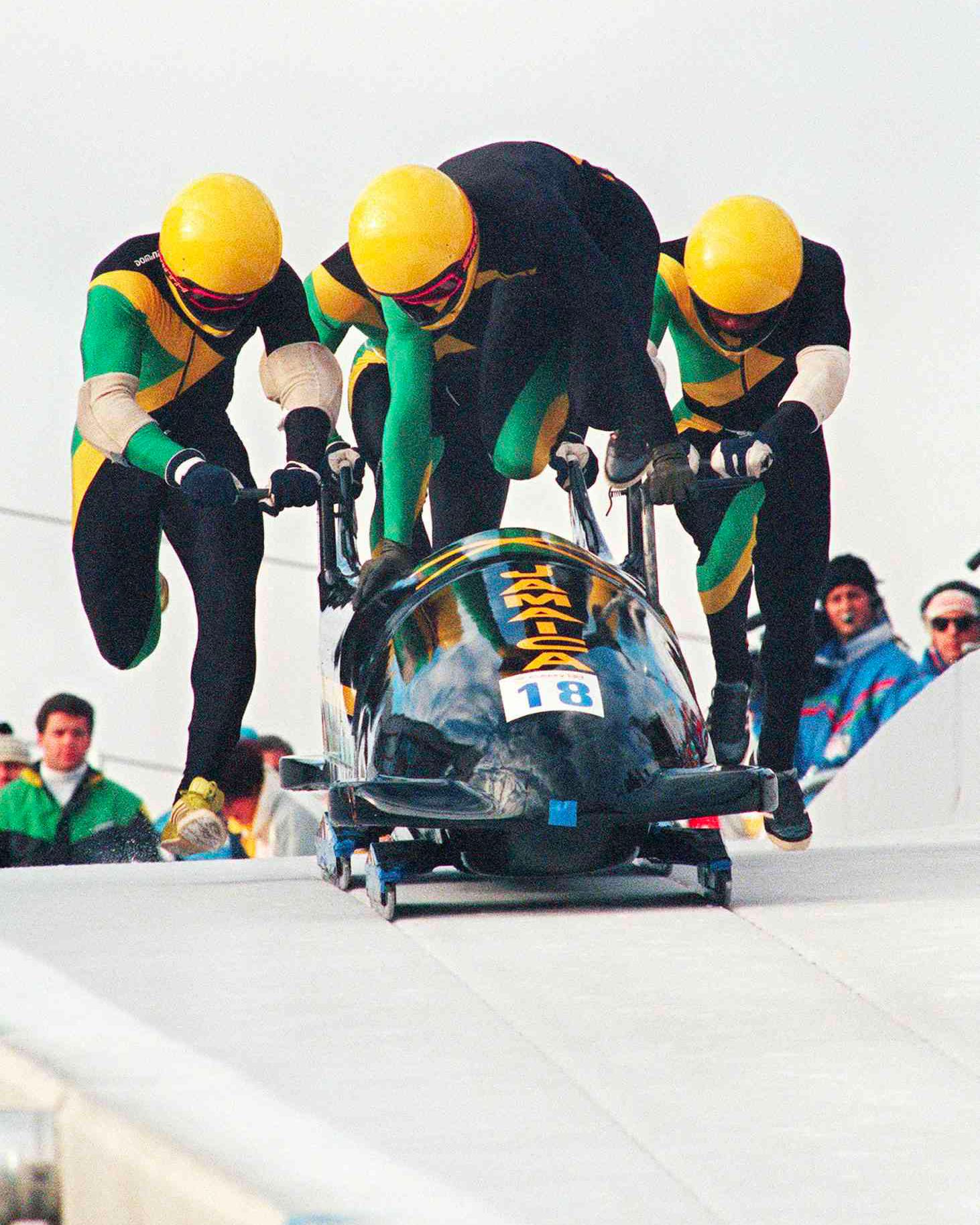
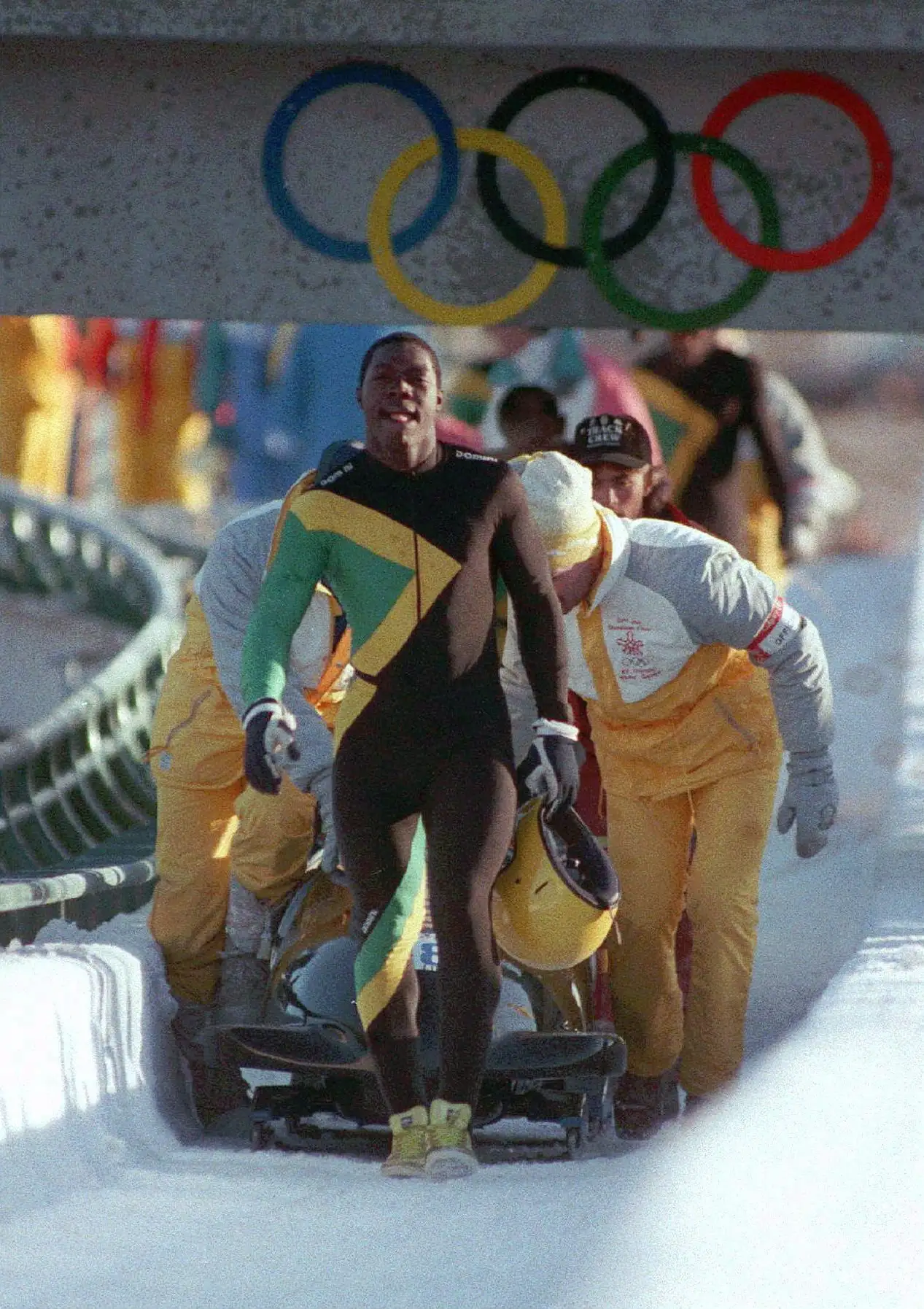
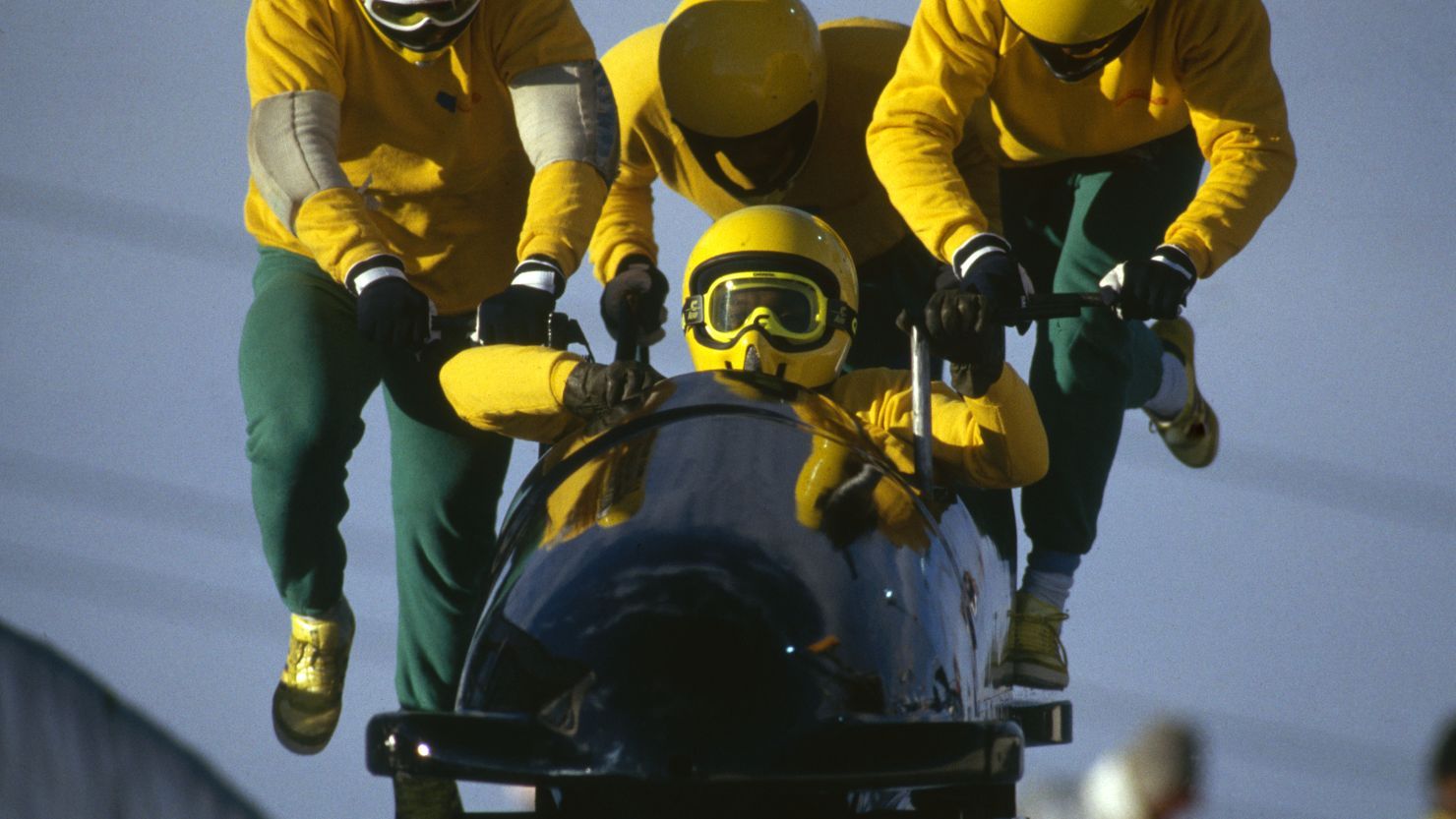
The legend began in the lead-up to the 1988 Calgary Olympics, sparked by the idea of George Fitch, an American businessman based in Jamaica who was inspired after watching a race in which competitors pushed wheeled carts, mimicking the explosive start of a bobsleigh run. Acting on this insight, a team was assembled through tryouts aimed at former military personnel who had stepped away from competitive sports. The four athletes who traveled to Canada were Mike White, Devon Harris, Dudley Stokes, and Sam Clayton Jr. Their story was later fictionalized by Disney in the movie Cool Runnings. From a competitive standpoint, expectations were low — and performances reflected that. However, during their final race, the team took part in a moment that remains one of the most memorable in Winter Olympic history: their four-man sled overturned while navigating a corner. When the athletes got back on their feet, they were met with a standing ovation as they walked toward the finish line.
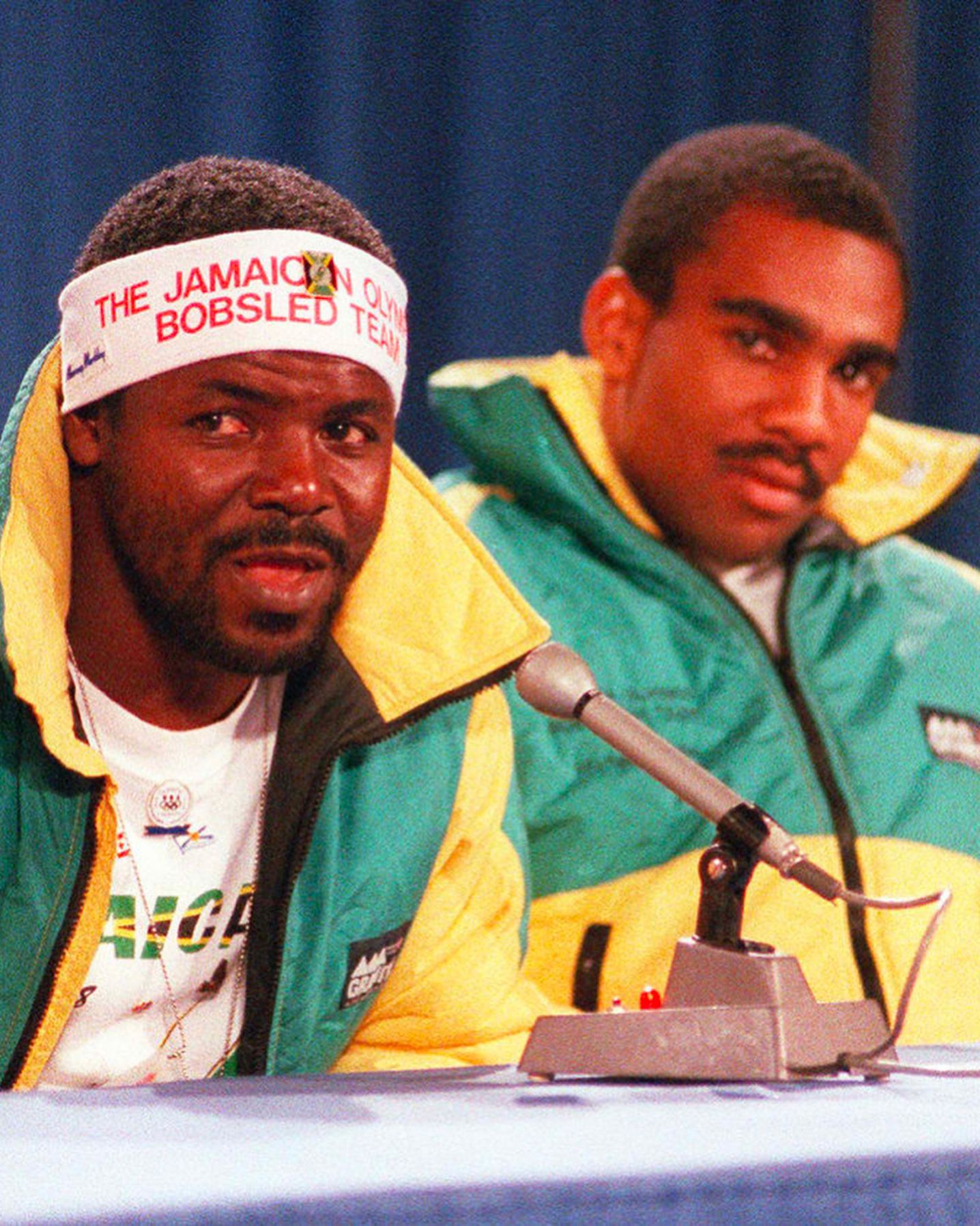
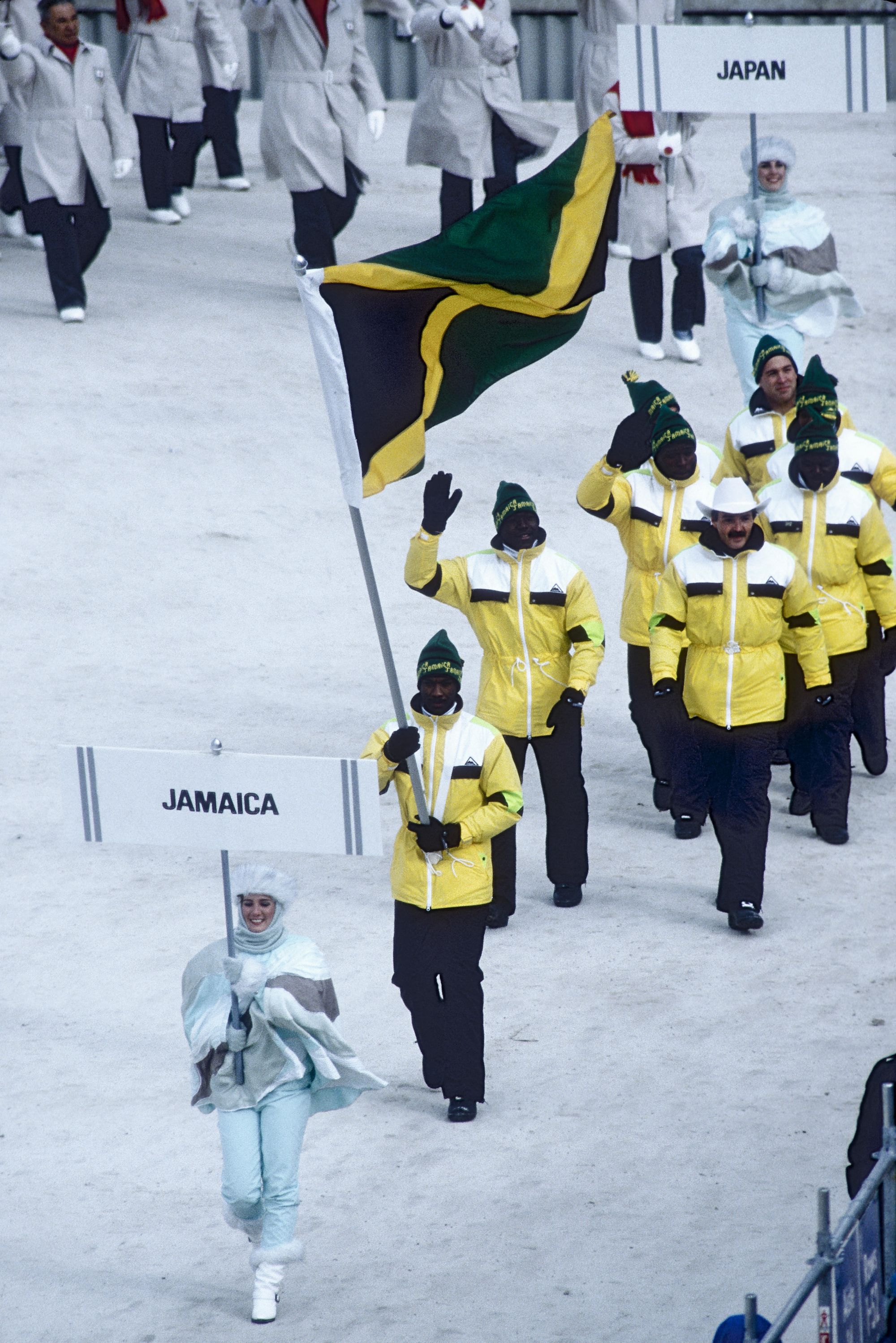
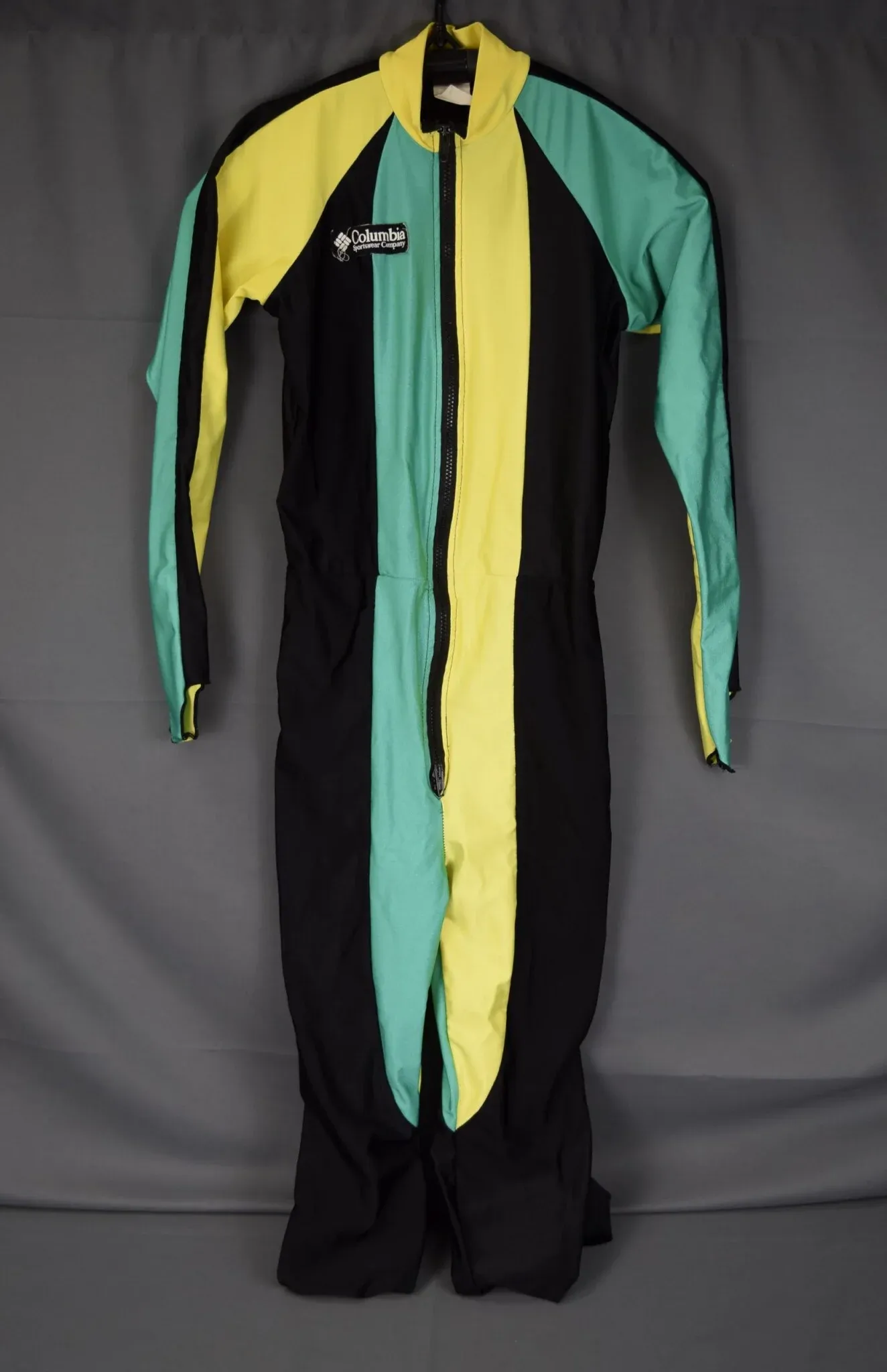
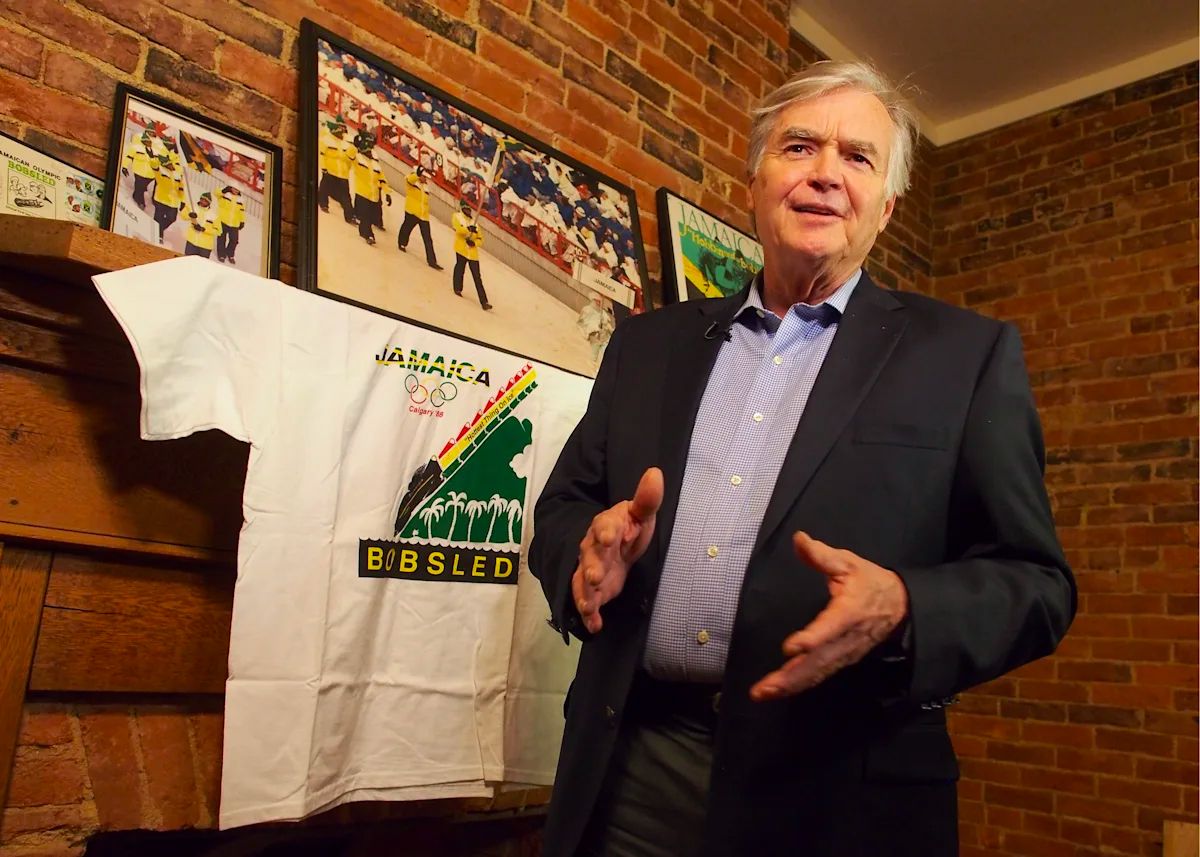
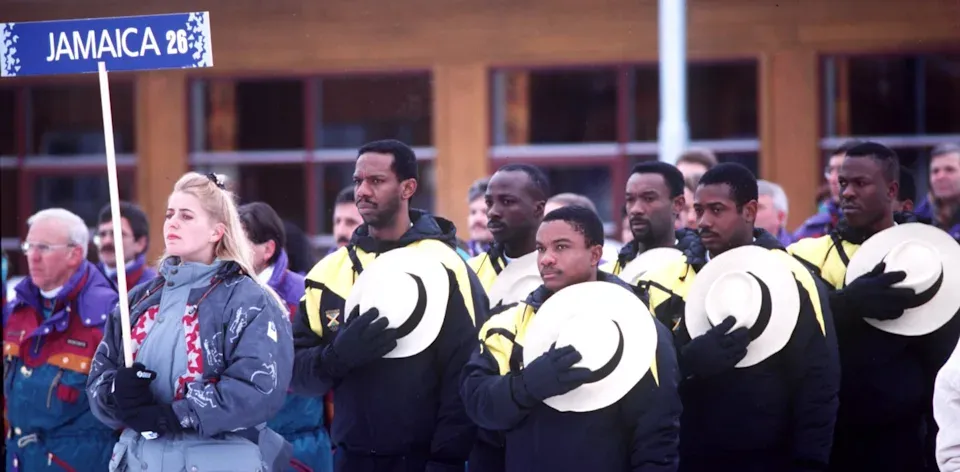
In the movie, the athletes wear adidas-branded suits, but reality told a different story. During press appearances, their windbreakers featured the logo of Grafite, the same brand behind the yellow jackets with white and black detailing worn at the opening ceremony. On the track, however, the three stripes were still present, visible on their footwear, even rendered in yellow to contrast against the black racing suits accented with green and yellow, echoing the Jamaican flag. Further shaping the team’s aesthetic legacy were the self-produced t-shirts they sold during the Games to fund their campaign, an initiative that would later inspire the iconic Lithuania tie-dye jersey at the 1992 Olympics.
The evolution
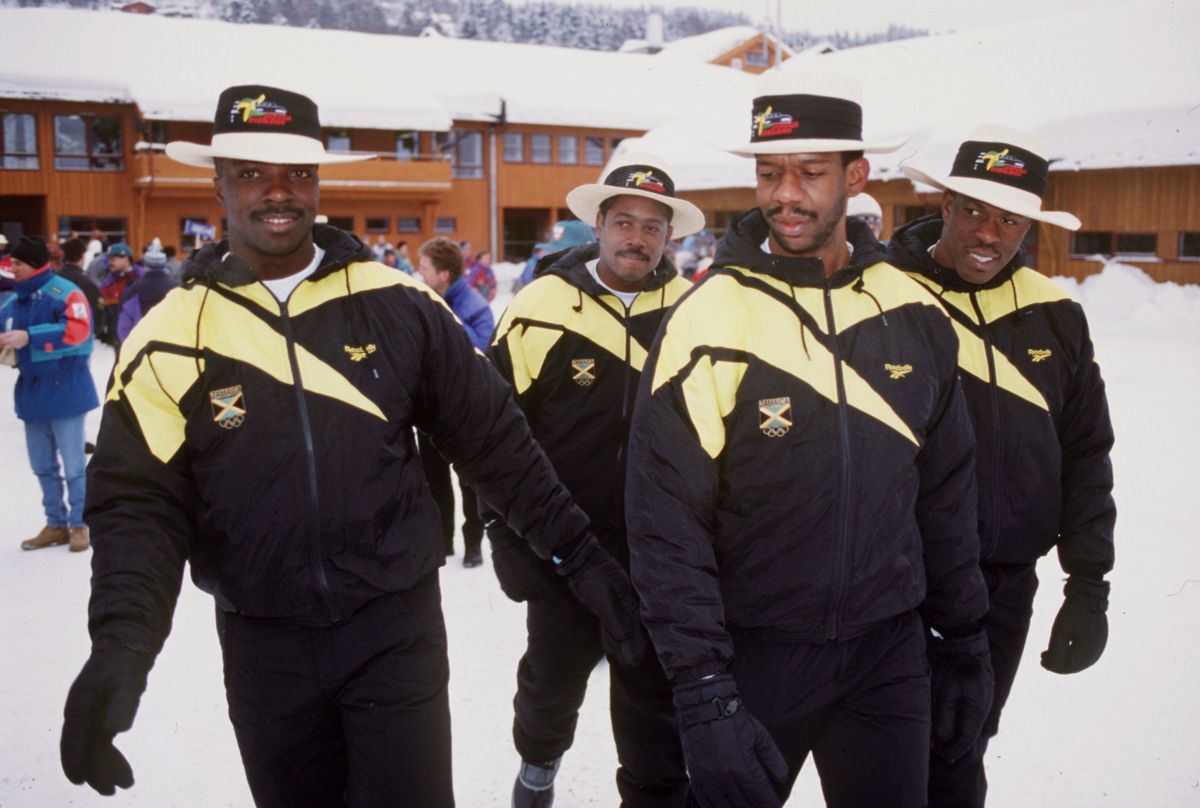
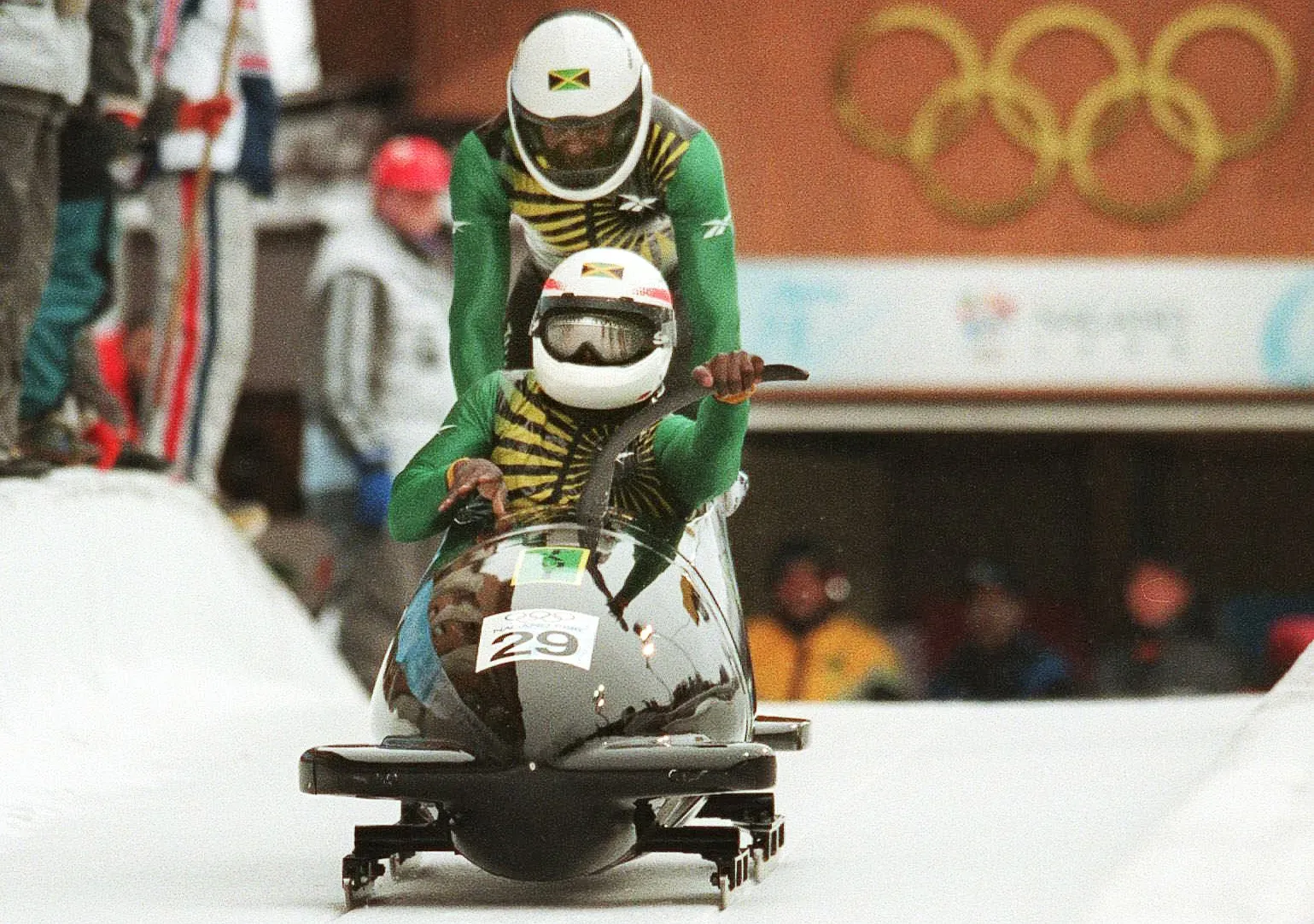
In subsequent editions, designs evolved but the core concept remained unchanged: bringing Jamaica’s Caribbean identity onto the ice in striking contrast with the traditionally wintry aesthetic of the Winter Olympic Games. At Albertville 1992, for example, suits balanced black, green, and yellow, with yellow standing out prominently at the center, paired with a softer shade of green. Black returned as the dominant tone at Lillehammer 1994 and Nagano 1998, where Reebok introduced a bold sunburst pattern radiating from the Vector logo toward green-tinted sleeves.
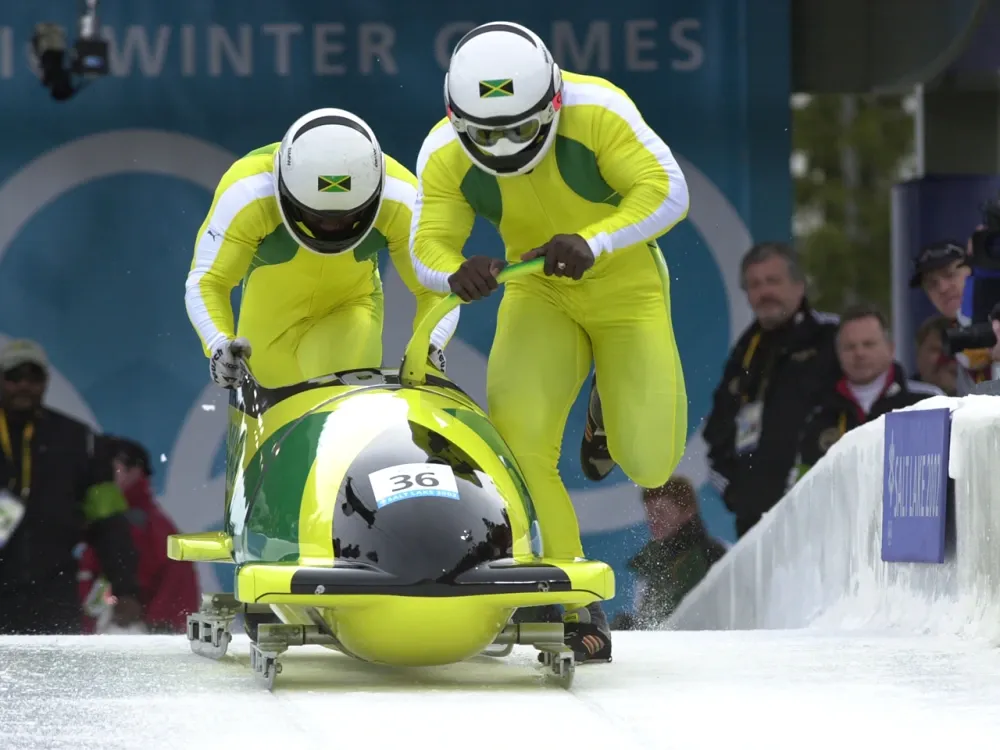
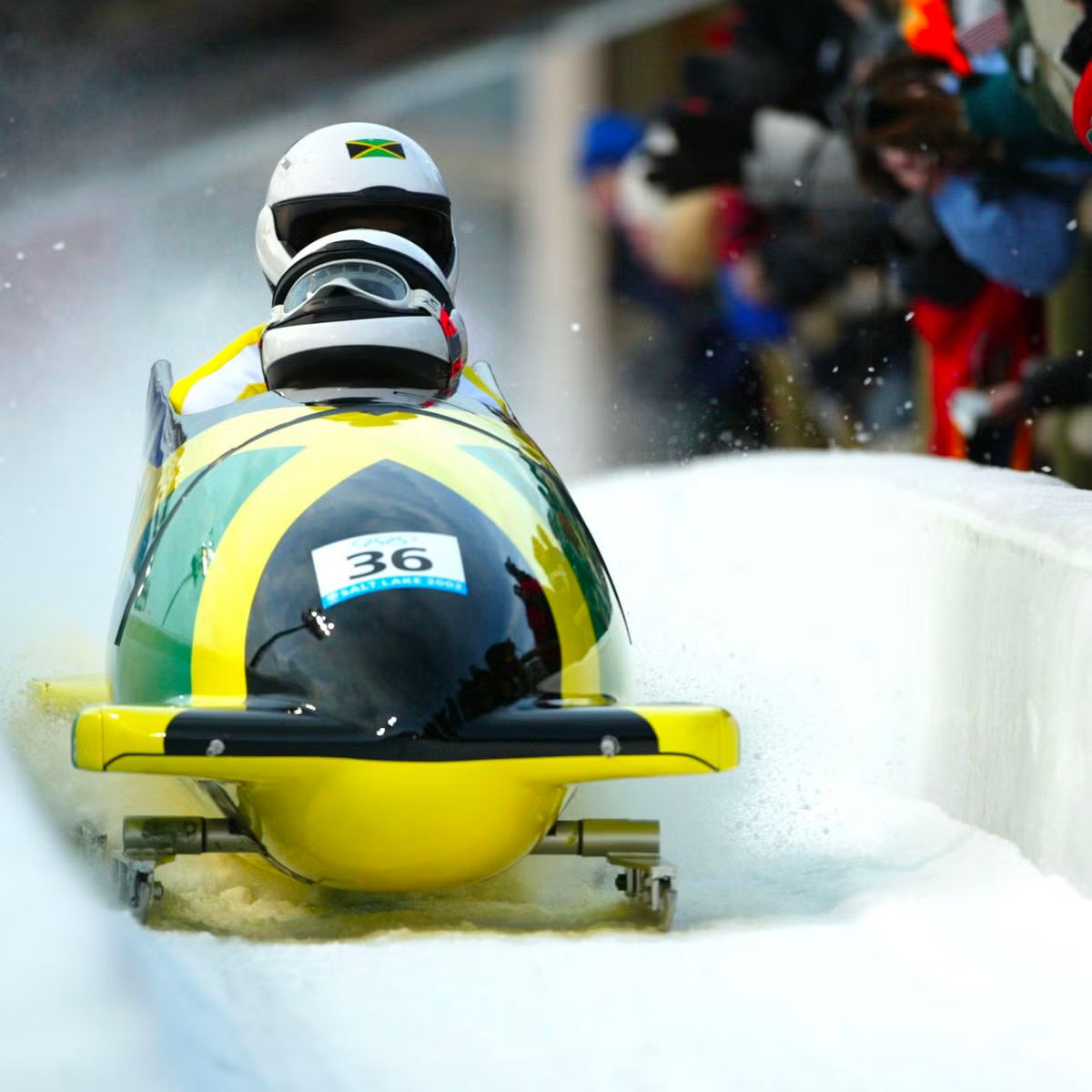
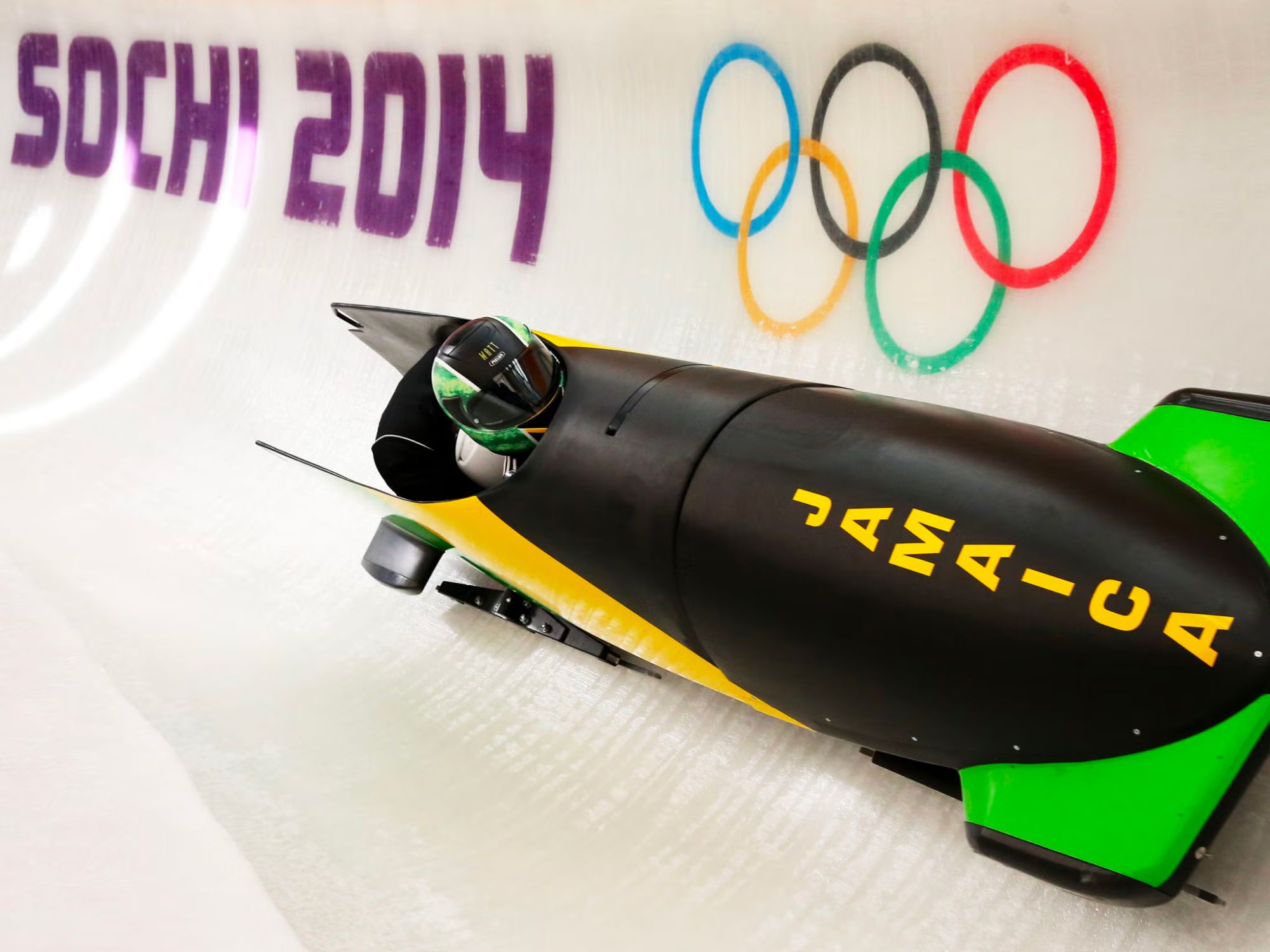
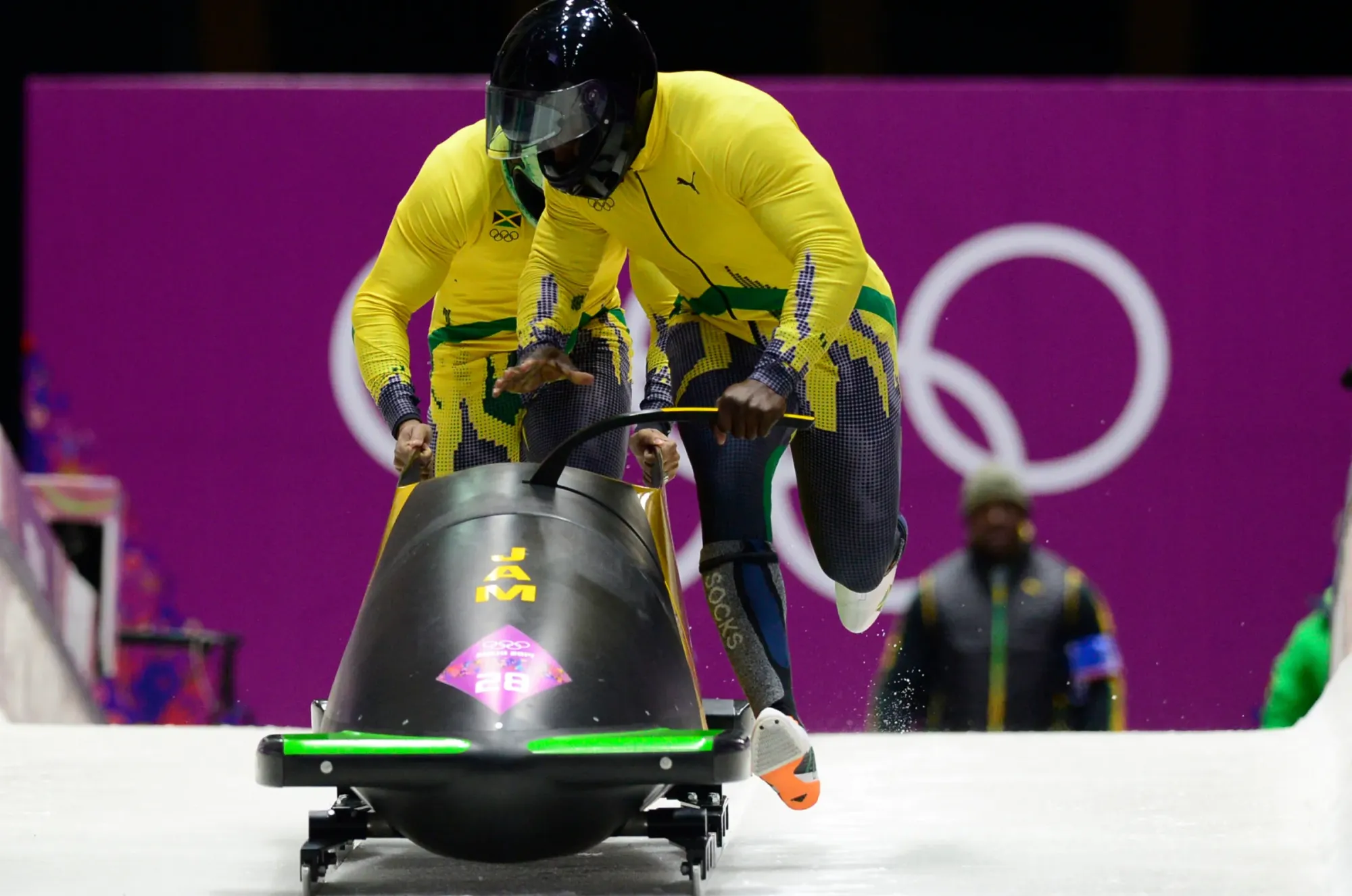
The 2002 Salt Lake City edition marked a radical aesthetic shift, introducing a monochrome yellow suit accented only by white elements, eliminating black entirely. The Jamaican team missed the Turin and Vancouver Games before returning in Sochi 2014, where PUMA picked up where the visual narrative had left off. The brand designed suits featuring yellow uppers with subtle black pixelated accents at the wrists and torso, transitioning into darker lower sections.
The modern era
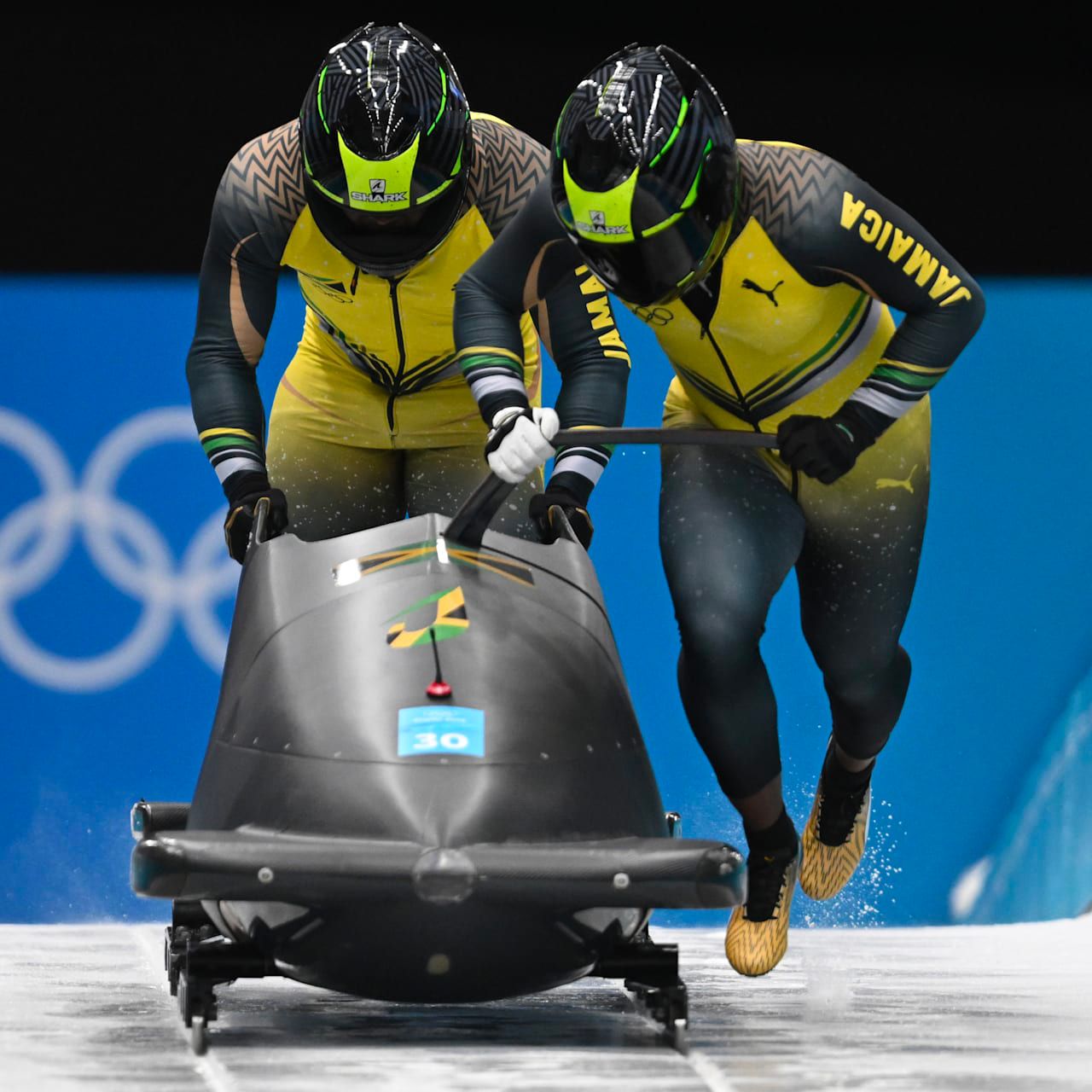
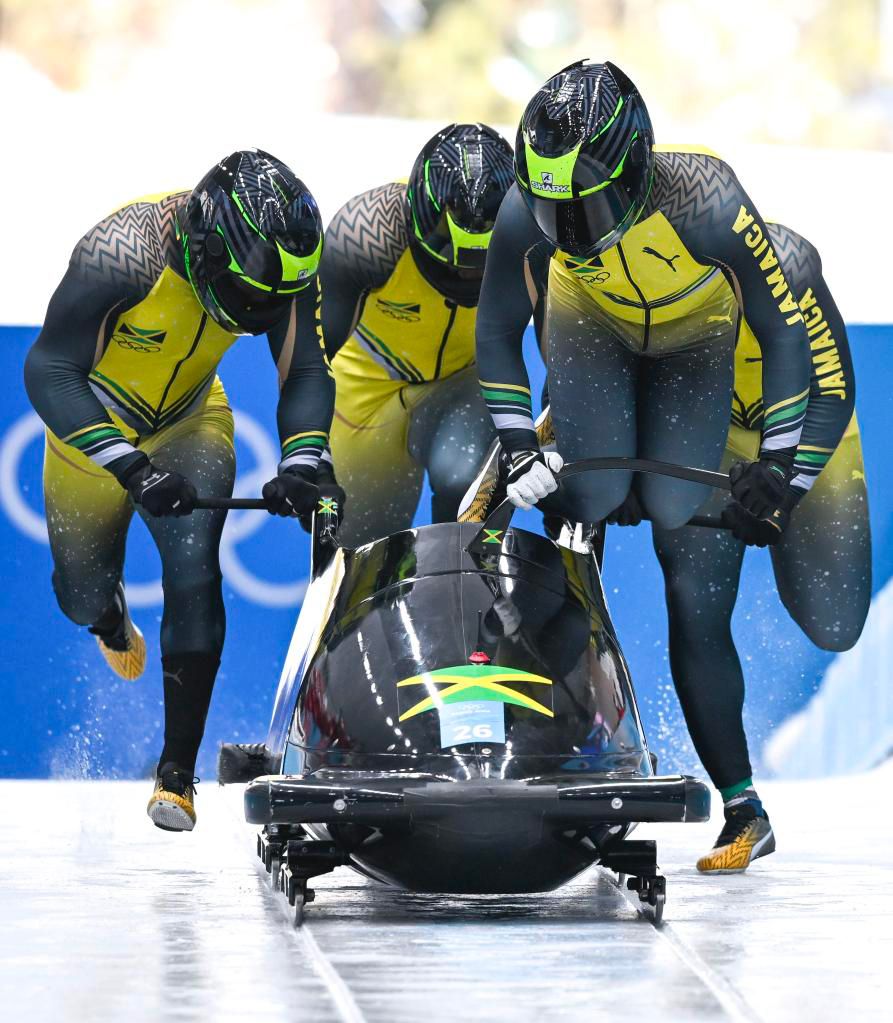
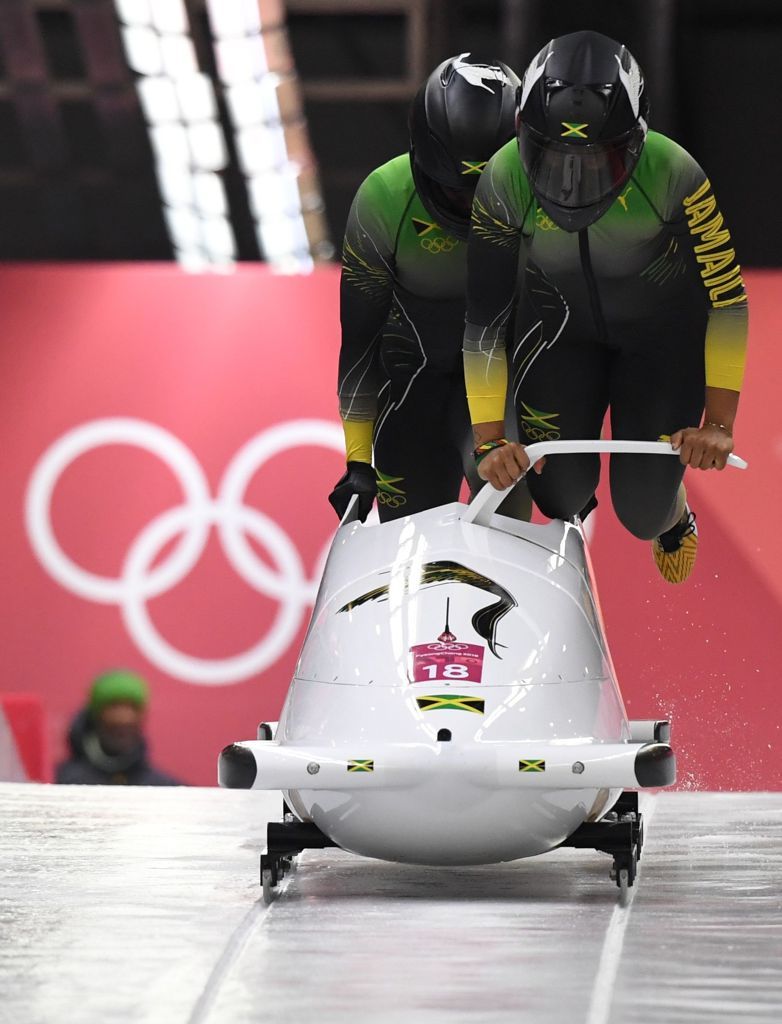
The 2018 Games marked another milestone: for the first time, Jamaica was represented in women’s bobsleigh by Jazmine Fenlator-Victorian and Carrie Russell. For the occasion, PUMA created a gradient kit that blended the three national colors into a refined, fluid composition — an elegant balance in which no single shade overpowered the others. The partnership with PUMA continued at Beijing 2022, where a similar gradient approach was applied. The upper portion faded into a geometric pattern, while the lower half adopted a starry-sky-inspired motif.
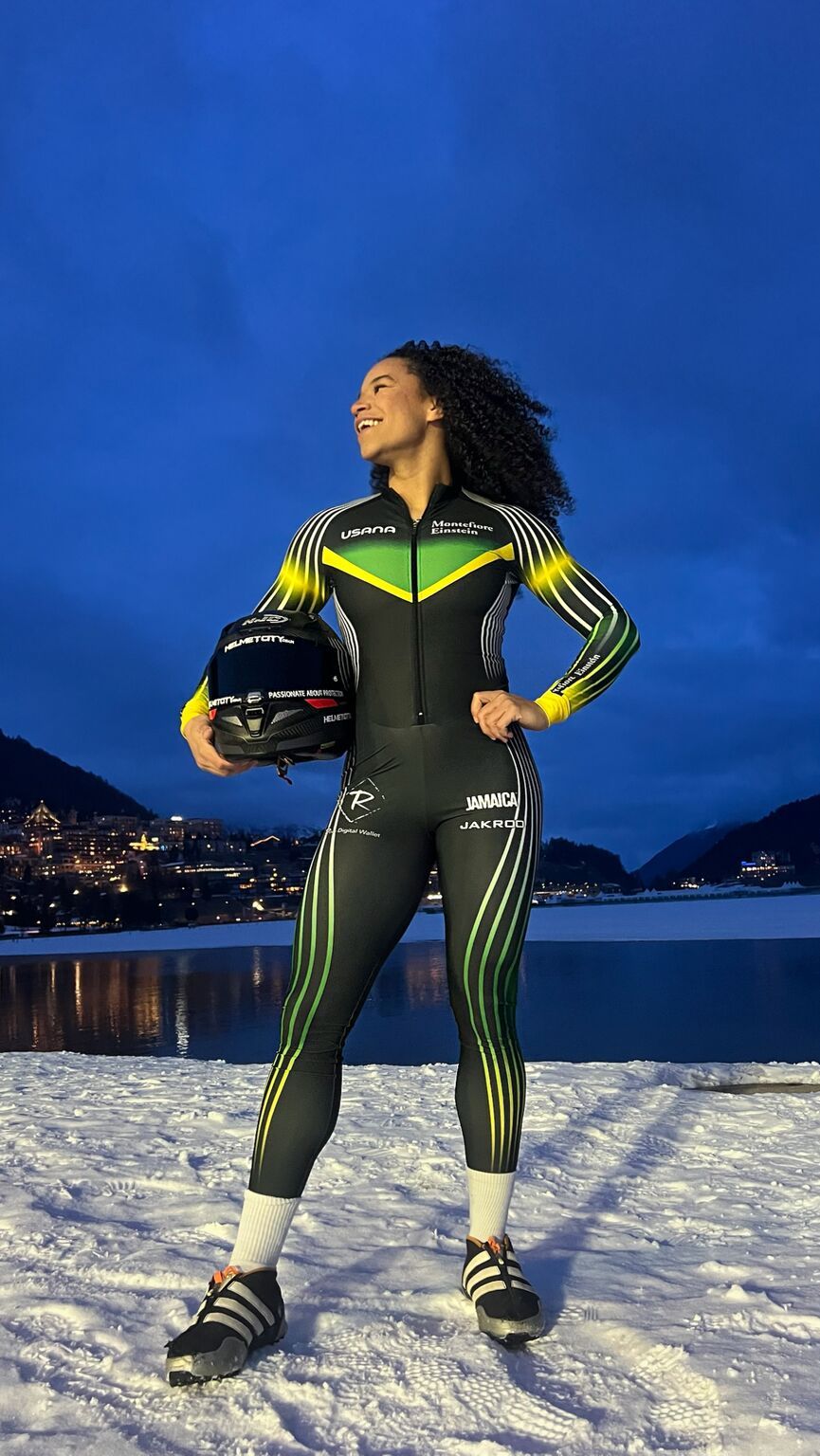
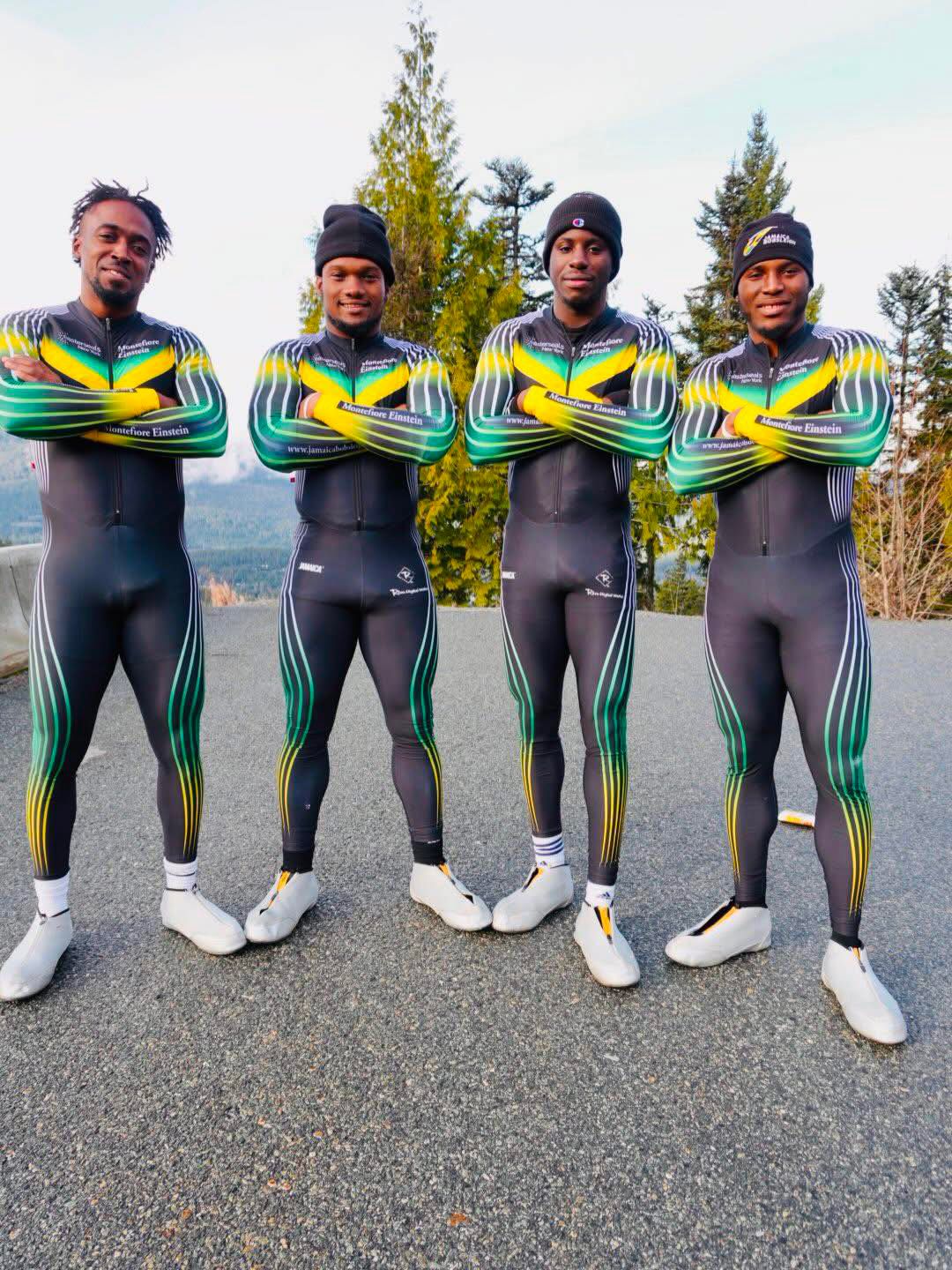
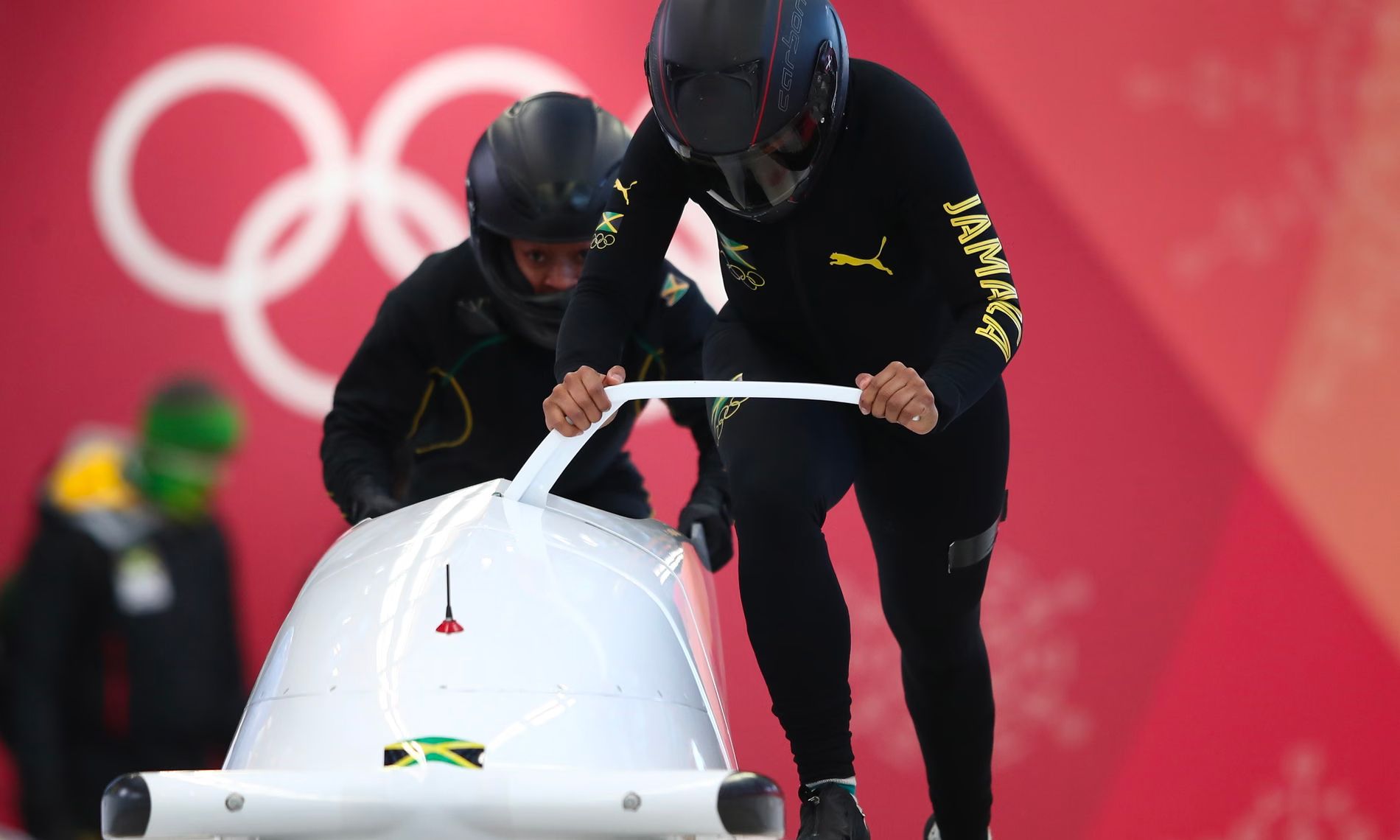
Now, all eyes turn to Milano Cortina. On February 6, during the opening ceremony, the Jamaican bobsleigh team will parade on the San Siro pitch. There is growing curiosity about the delegation’s formalwear and whether the athletes will debut a bespoke race suit for the occasion, or stick with the design seen during qualification events: a predominantly black suit featuring either a flag motif across the chest or a small V-shaped detail dividing black and green.