
























A new life - interview with Dorothea Wierer From biathlon to Hyrox, with nothing left to prove
Last February, following Milano Cortina 2026, Dorothea Wierer brought one of the most important careers in the history of Italian winter sports to an end. She did so in the most natural place possible, her home of Anterselva, just days after winning silver in the mixed relay, her fourth Olympic medal, in biathlon.
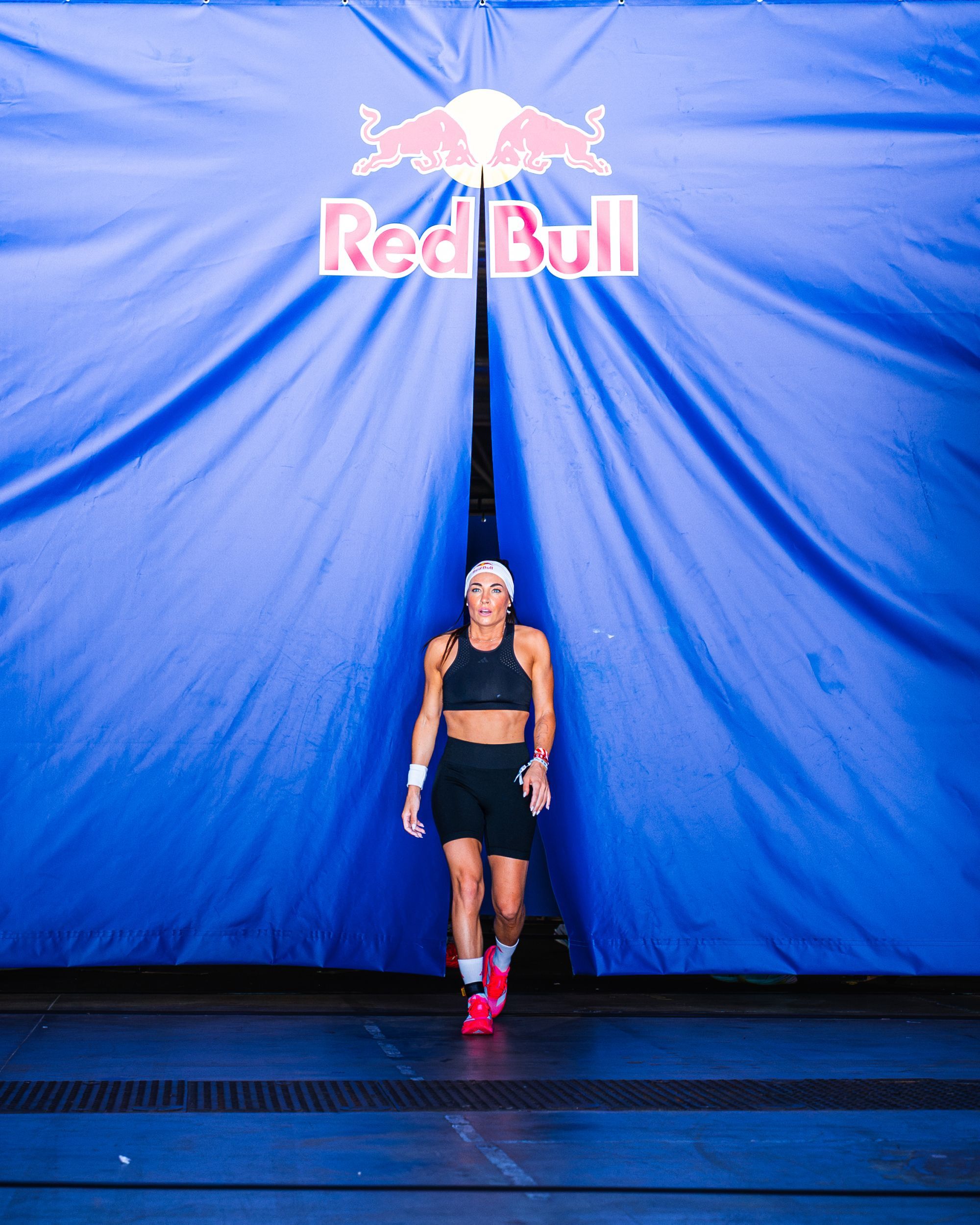
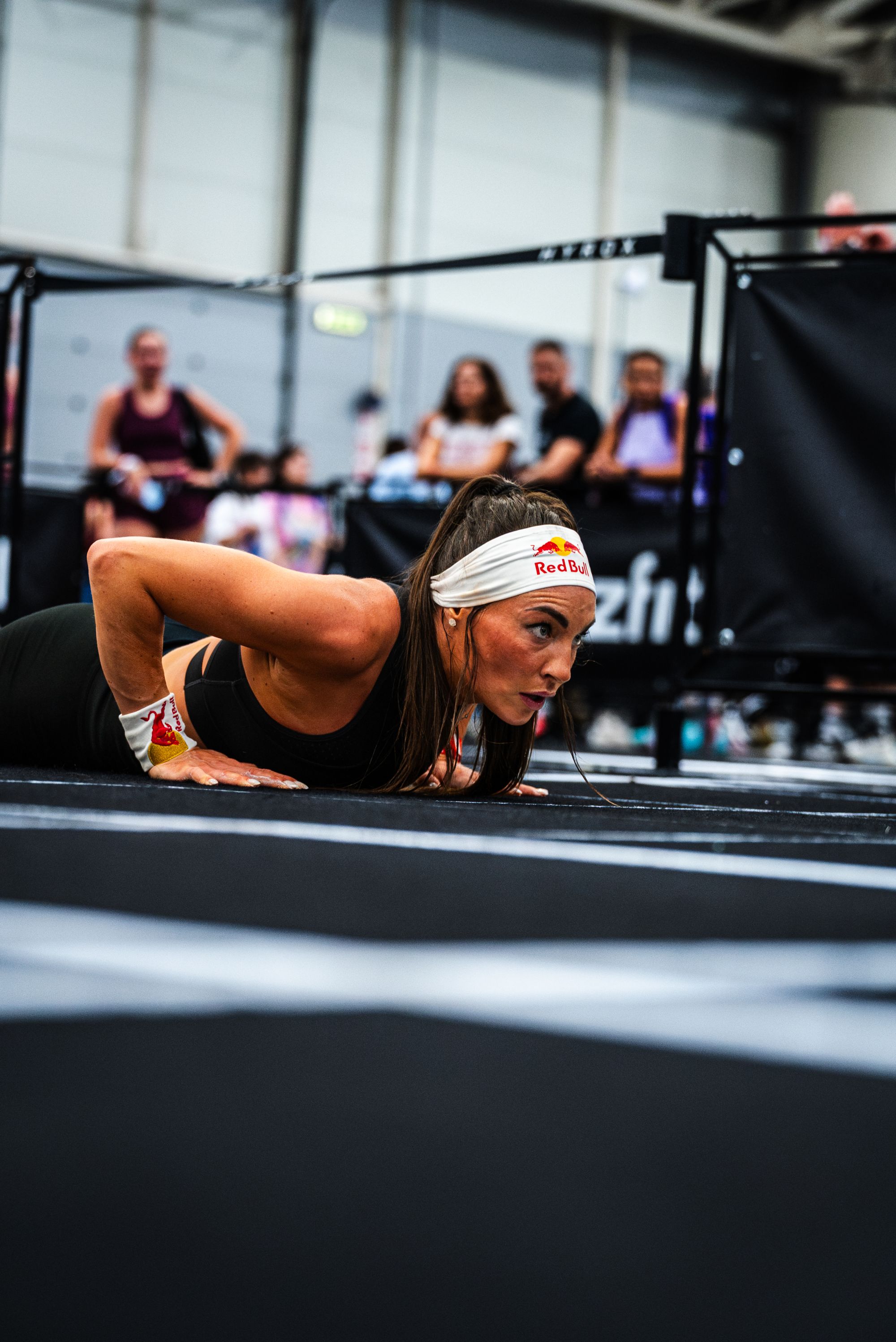
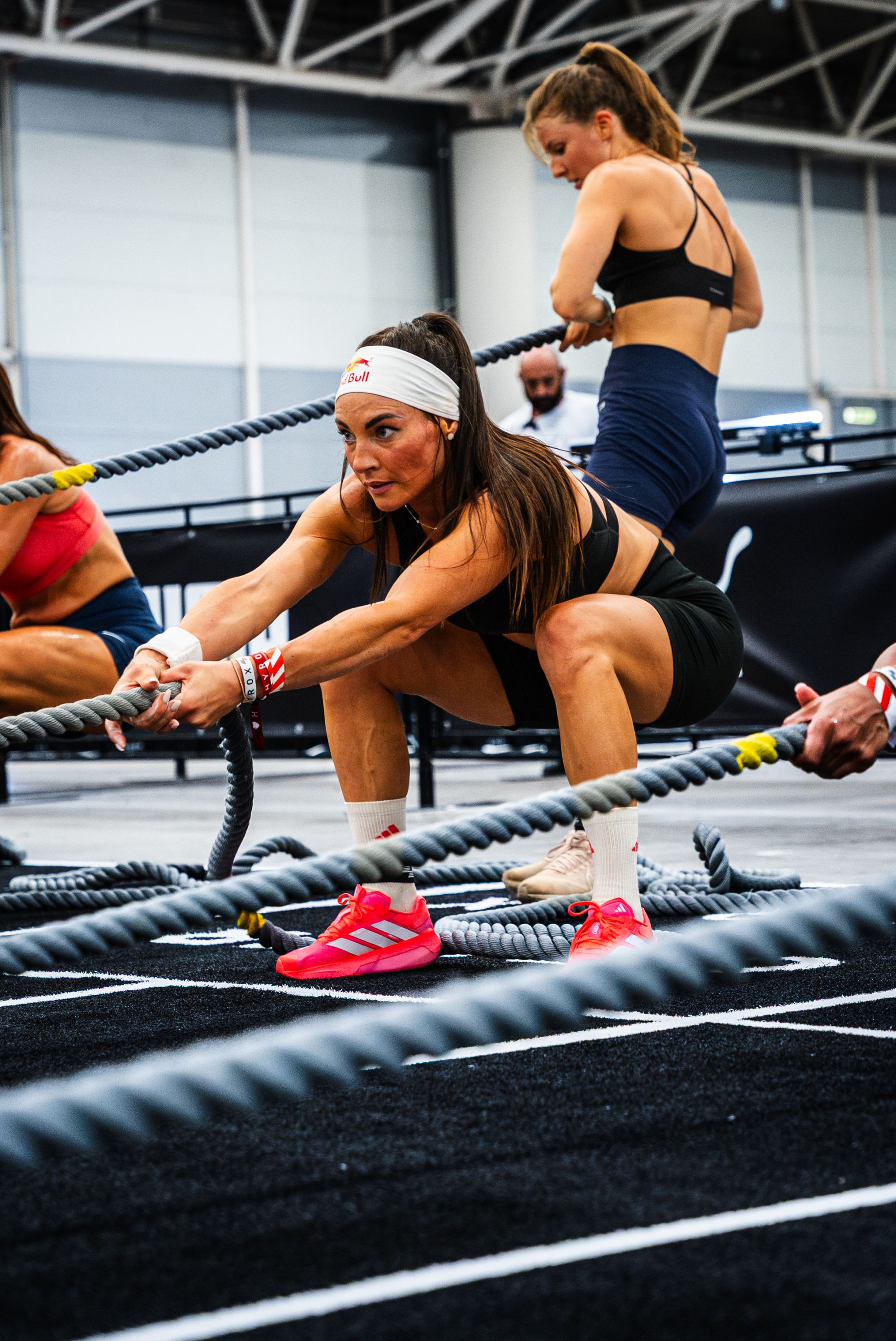
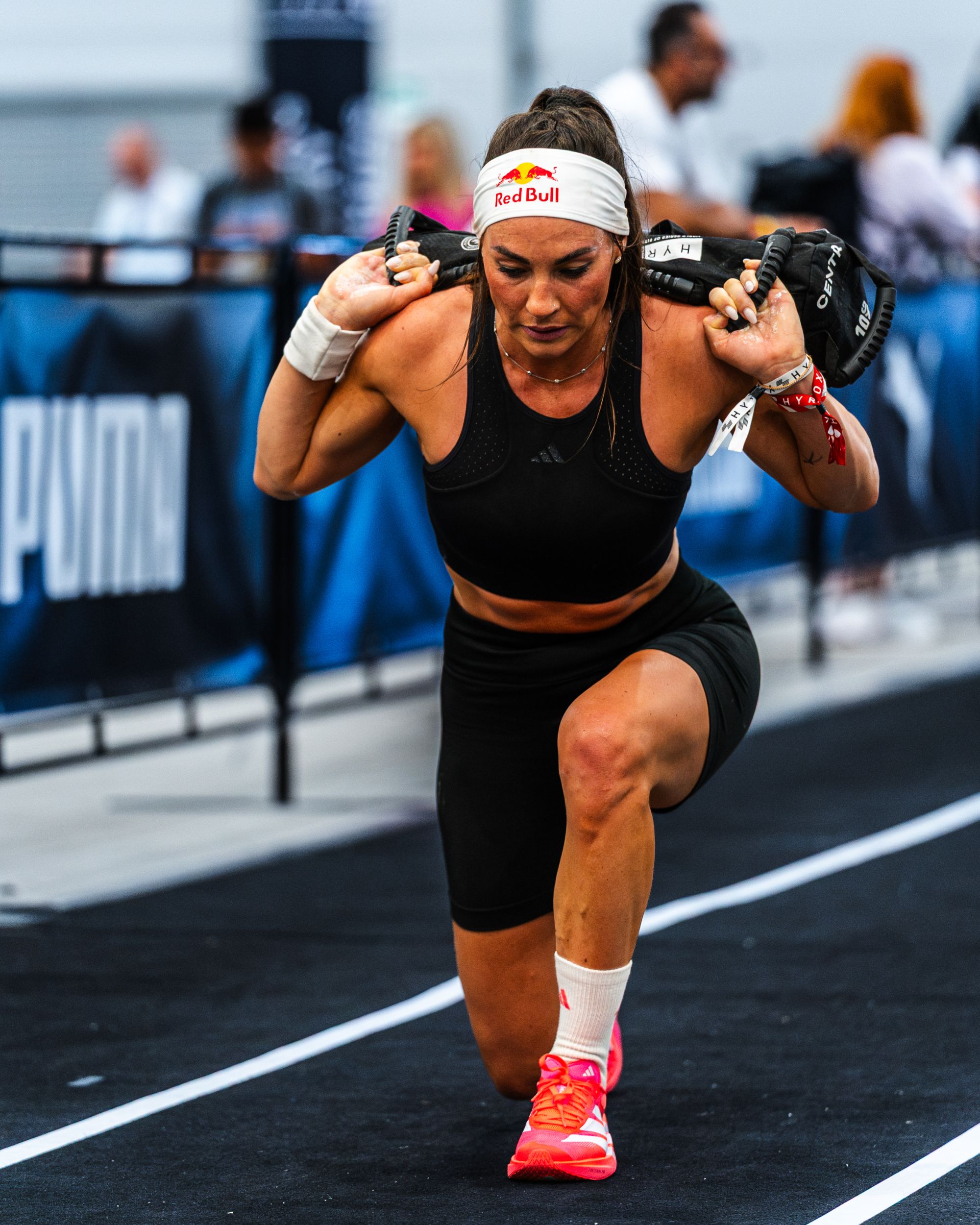
Seven months later, in Rome, Wierer found herself standing on a starting line once again. This time there was no snow, no skis and no rifle, but a completely different atmosphere and a series of exercises she had barely known until recently. She was about to compete in her first Hyrox race, an indoor competition that alternates eight kilometres of running, divided into one-kilometre sections, with eight functional fitness stations: SkiErg, sled push and pull, burpees, rowing, farmer’s carry, lunges and wall balls.
It is a new phase of her life that Dorothea had not planned. It was mainly Red Bull, for whom she is a global ambassador and with whom she had already begun exploring functional training over the past few months, that encouraged her to take on this new challenge. “It wasn’t something I had planned when I retired from biathlon,” she told us. “It happened almost by chance: last year I went to Rimini Wellness and really loved the fitness community and the energy surrounding that world. Then Red Bull asked whether I would be interested in taking part, and I compete in these races for them. I accepted immediately, precisely because I was already drawn to that world.”
Her debut, moreover, went far better than expected. Before the race, Wierer had set herself the goal of finishing in under two hours, but she completed it much faster — in 1:19:42 — despite having started specific training only a few weeks earlier. At this stage, however, the time tells only a small part of the story.
Dorothea Wierer’s new routine
For more than twenty years, Wierer built her life around an extremely rigid structure of training, recovery and preparation organised around the biathlon calendar. More than marking the end of the discipline to which she had devoted her life, retirement first and foremost disrupted that routine. “A radical change. After retiring, I had very little time to train because I had so many commitments, so I did very little: some cycling every now and then, a few short runs, nothing structured. For me, it was the complete opposite of before, when every week was planned down to the smallest detail around competitions. It was only later, with Hyrox, that I once again found an objective and a certain degree of consistency.”
That does not mean starting entirely from scratch, or at least not in every respect. Her biathlon career has left her with an aerobic engine that does not disappear within a few months, but above all a familiarity with fatigue and competition that provides a solid foundation even when approaching a completely different discipline. “I have carried my aerobic base, discipline and, above all, mindset with me: knowing how to suffer, manage fatigue and remain clear-headed when your body wants to stop. What I am learning from scratch is the entire functional side: the stations, the loads and the technique required for exercises such as the sled push, sled pull and wall balls. I’m also learning to manage my pace differently, because you have to keep switching between running and strength.”
Starting over
There is, however, an even more profound difference compared with biathlon, a sport in which Wierer knew practically every variable: her own body, her opponents, the courses, the equipment, the snow and the shooting range. In Hyrox, for the first time in a long while, she can allow herself not to know exactly what will happen. “I do feel a little shy, even if it may not be visible from the outside. When I’m outside my own world, I feel a little smaller. But it is also a wonderful feeling: it’s like being a child again, when everything is new and every race teaches you something. You also meet people who are completely different from you, which I find incredibly stimulating.”
This is perhaps the most interesting aspect of her new reality: watching an athlete who faced the highest expectations for years rediscover what it means to be a beginner. “Yes, I really enjoy it. I’m naturally curious and would love to learn how to practise many sports I don’t know. When it comes to results, however, I’ll be honest: that is the most difficult part. I’m very demanding of myself and a bit of a perfectionist, so I put pressure on myself. I’m learning step by step to enjoy the journey. Here, I don’t have to prove anything to anyone, and that is a new kind of freedom.”
Visually, too, the change could hardly be more striking. For years, Wierer’s natural environment was biathlon: outdoor competitions, constantly changing weather conditions and, above all, that almost instantaneous transition from exertion on skis to the need to lower her heart rate and find focus in front of the target. Hyrox is “a completely different world”: everything takes place indoors, with spectators and athletes compressed into the same space and competitions surrounded by music, lights and noise — another aspect to which Dorothea will have to adapt. “In biathlon, you had the cold, the wind, the snow changing every day and the silence before shooting. In Hyrox, you’re inside an arena with music, lights and people shouting right next to you, creating an incredible energy. (...) The mountains are still my home, though,” she concludes. “I continue to train outdoors whenever I can: indoor competition is a new part of the journey for me, not a replacement.”